10 Ways to Make Your Minimalist Home More Aesthetic
If you’ve ever scrolled through Pinterest or flipped through Architectural Digest, you know that minimalism isn’t about emptiness—it’s about intention. It’s the art of creating a space that whispers elegance, where every object has purpose and every corner tells a story. But here’s the secret: a truly aesthetic minimalist home balances restraint with warmth, simplicity with soul.
Whether you’re starting from scratch or refining your current space, these ten transformative strategies will help you elevate your minimalist aesthetic into something magazine-worthy. From the subtle power of negative space to the sophisticated layering of neutral textures, you’ll discover how thoughtful choices create spaces that feel both serene and utterly captivating.
Embrace the Power of Negative Space
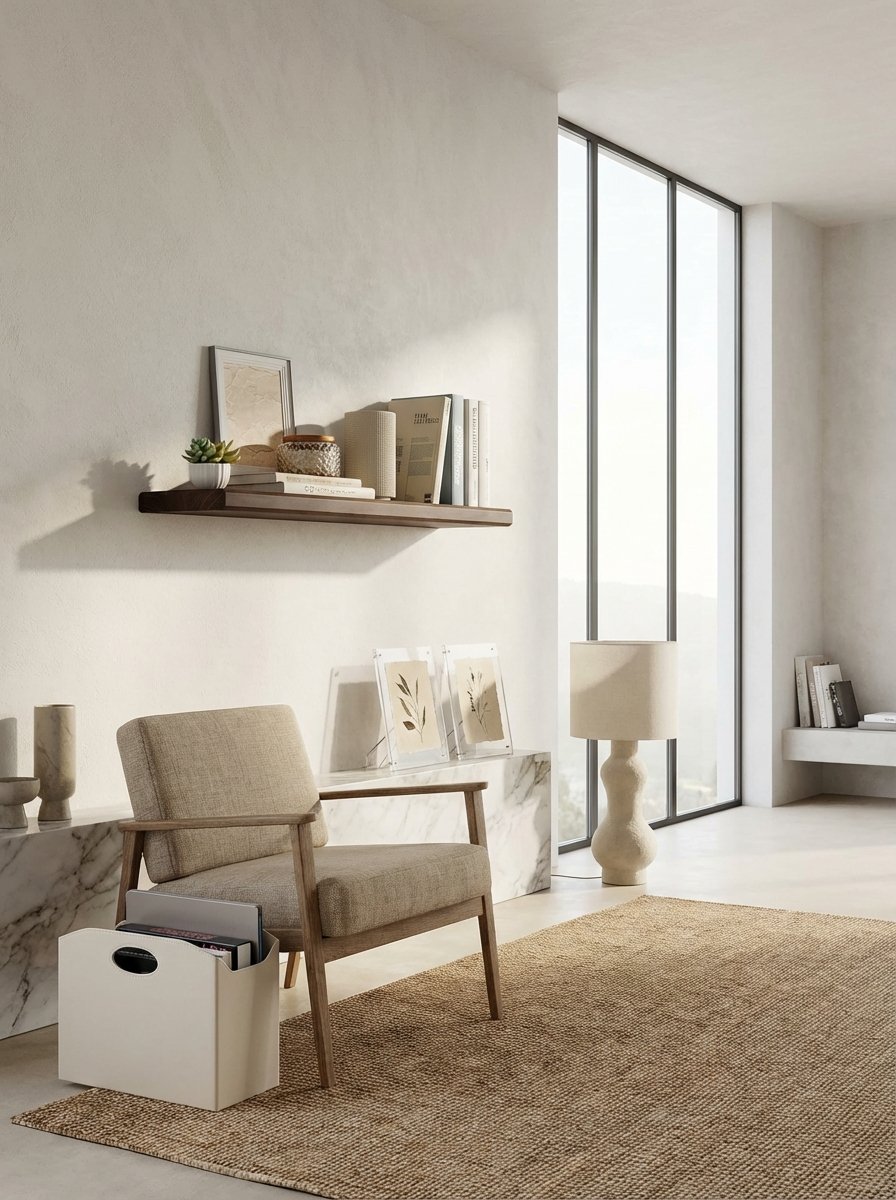
Negative space isn’t emptiness—it’s breathing room for your design vision. Think of it as the pause between musical notes that makes the melody sing. When you allow walls, surfaces, and corners to remain uncluttered, you create a canvas that makes each carefully chosen element stand out like a gallery piece.
Start with strategic storage solutions that disappear into your design. The Axeman 36-inch Natural Solid Wood Floating Shelves in Walnut offer display space that appears to float effortlessly against your wall, showcasing a few treasured objects without visual weight. Pair them with NIUBEE 4×6 Acrylic Clear Photo Frames that seem to suspend your favorite memories in mid-air, and suddenly you’ve created a moment of pure modern sophistication. Keep reading material contained with the EZDeco Magazine Holder in off-white, which tucks away magazines while maintaining that coveted clean-lined aesthetic.
The result? A space that feels intentional, not accidental. Every object earns its place, and the empty spaces become just as important as what fills them. This is where minimalism transforms from sparse to sublime.
Pro Tip: The Rule of Three
When styling surfaces or shelves, arrange objects in groups of three at varying heights. This creates visual interest while maintaining the uncluttered essence of minimalist design. One tall object, one medium, one small—it’s the magic formula interior designers swear by.
Let Natural Light Be Your Best Decorator
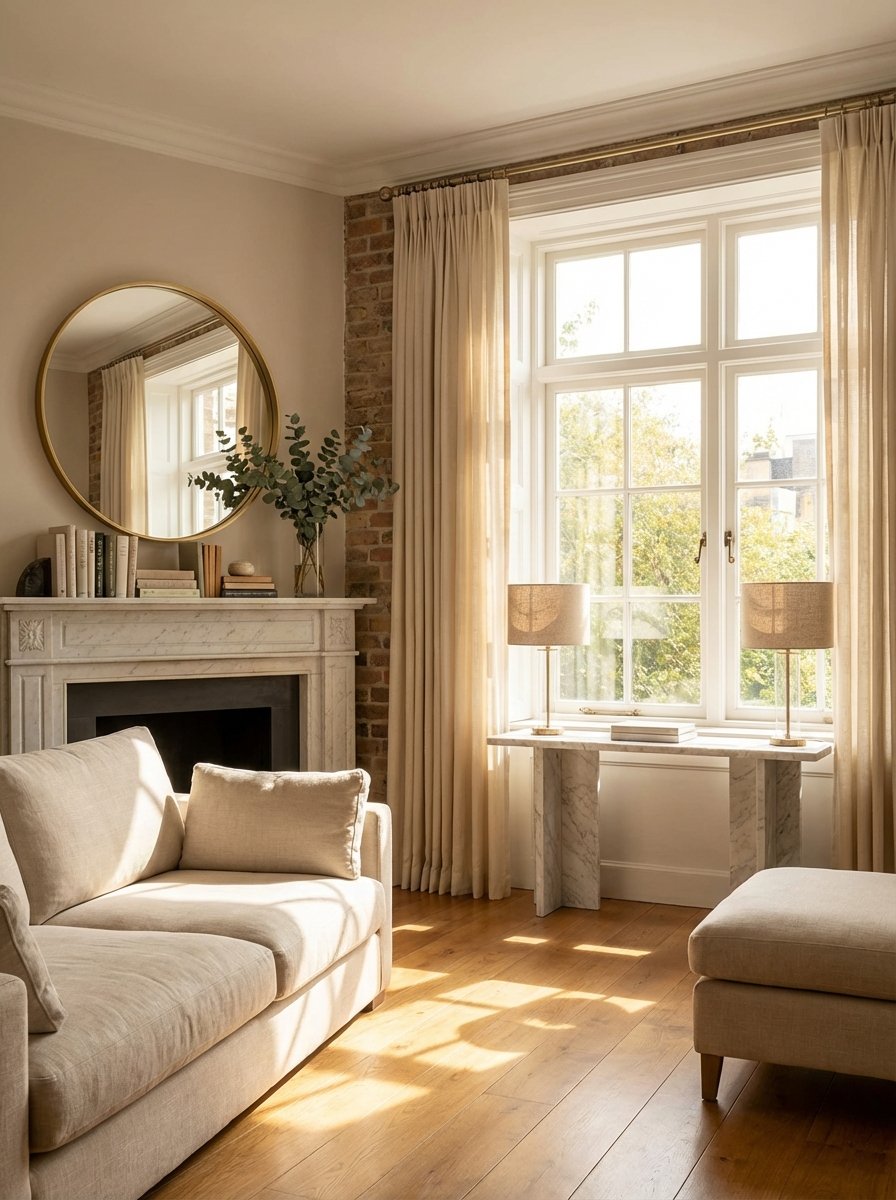
Light is the ultimate luxury in minimalist design. It sculpts your space, changes throughout the day, and costs nothing to maintain. The key is treating windows not as problems to cover, but as architectural features to celebrate and enhance.
Swap heavy drapes for Sheer Sand Beige Curtains in faux linen that filter light into a soft, warm glow while maintaining privacy. These 120cm panels transform harsh sunlight into an ethereal ambiance that makes every corner of your room feel like golden hour. Amplify this effect with the TokeShimi Brushed Gold Round Mirror—at 30 inches, it becomes a striking focal point that bounces light deep into your space, making rooms feel twice their actual size. Complete the luminous atmosphere with Deep Beige Linen Drum Lamp Shades that diffuse evening lighting with the same softness as your daytime window treatments.
This layered approach to lighting creates what designers call “dimensional brightness”—the kind of sophisticated illumination that makes your space feel alive and dynamic rather than flat and one-note. It’s the difference between a room that’s simply lit and one that glows.
Pro Tip: Strategic Mirror Placement
Position mirrors perpendicular to windows rather than directly across from them. This bounces light throughout the room at multiple angles, creating a more evenly lit space without the harsh glare of a direct reflection.
Add Warmth With Thoughtfully Chosen Textures
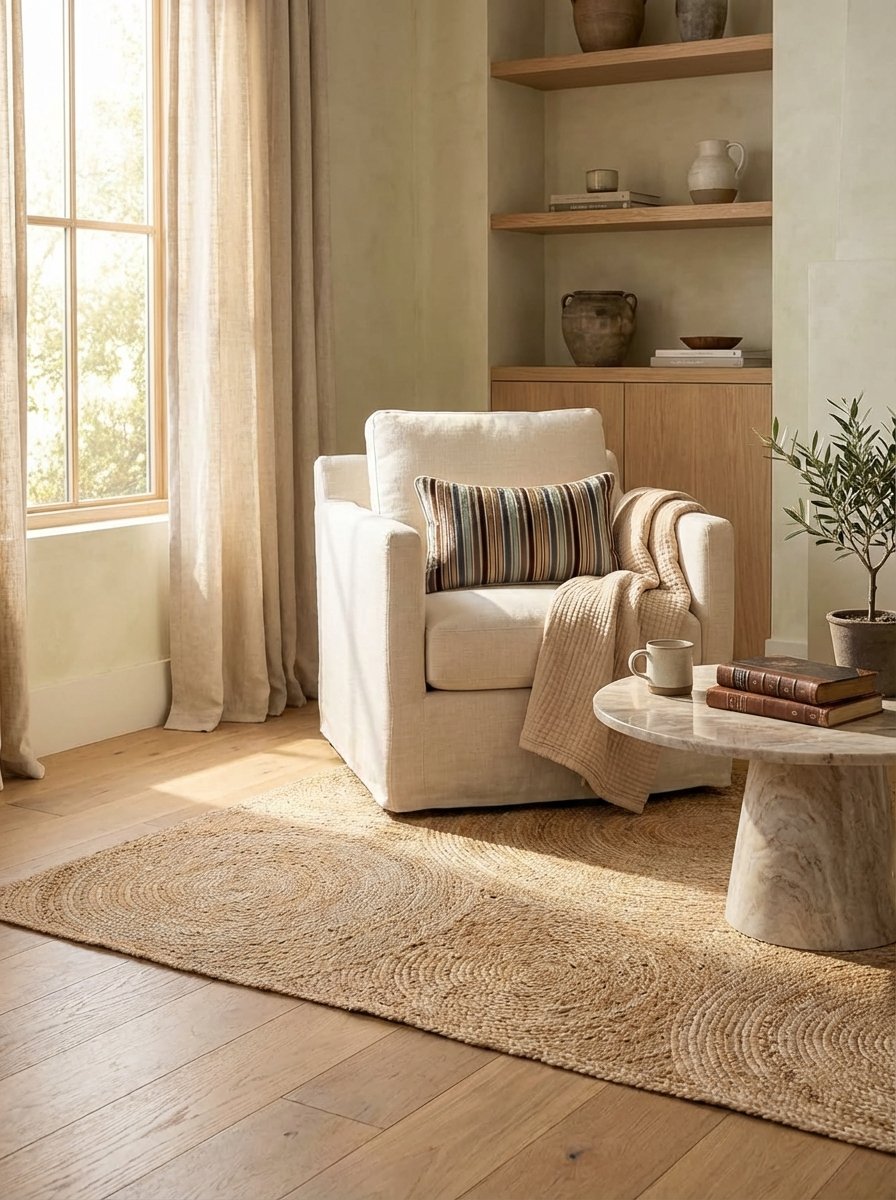
Here’s where minimalism gets irresistibly tactile. Texture is your secret weapon against the sterile, cold aesthetic that gives minimalism a bad reputation. When you layer different materials—rough against smooth, matte against soft—you create sensory depth that makes people want to touch everything in your space.
Ground your room with the organic beauty of a Handwoven Natural Jute Area Rug, where each fiber tells a story of artisan craftsmanship. Its 0.27-inch thickness provides substance underfoot while the circular pattern adds subtle visual movement. Layer in the luxurious contrast of Coffee Brown Striped Velvet Lumbar Throw Pillows—their multicolor texture brings boho warmth without overwhelming your neutral palette. Drape a 100% Cotton 6-Layer Muslin Blanket over your sofa in oatmeal beige, where its gauzy, breathable layers create that perfectly imperfect “lived-in luxury” look.
The magic happens when these different textures interact with light and shadow throughout the day. Suddenly, your minimalist space isn’t just visually appealing—it’s an experience that engages all the senses.
Pro Tip: The 60-30-10 Texture Rule
Balance your textural elements using this designer ratio: 60% smooth surfaces (walls, furniture), 30% medium texture (woven items, wood), and 10% high-impact texture (velvet, chunky knits). This prevents textural chaos while maintaining interest.
Create Visual Interest Through Layered Neutrals
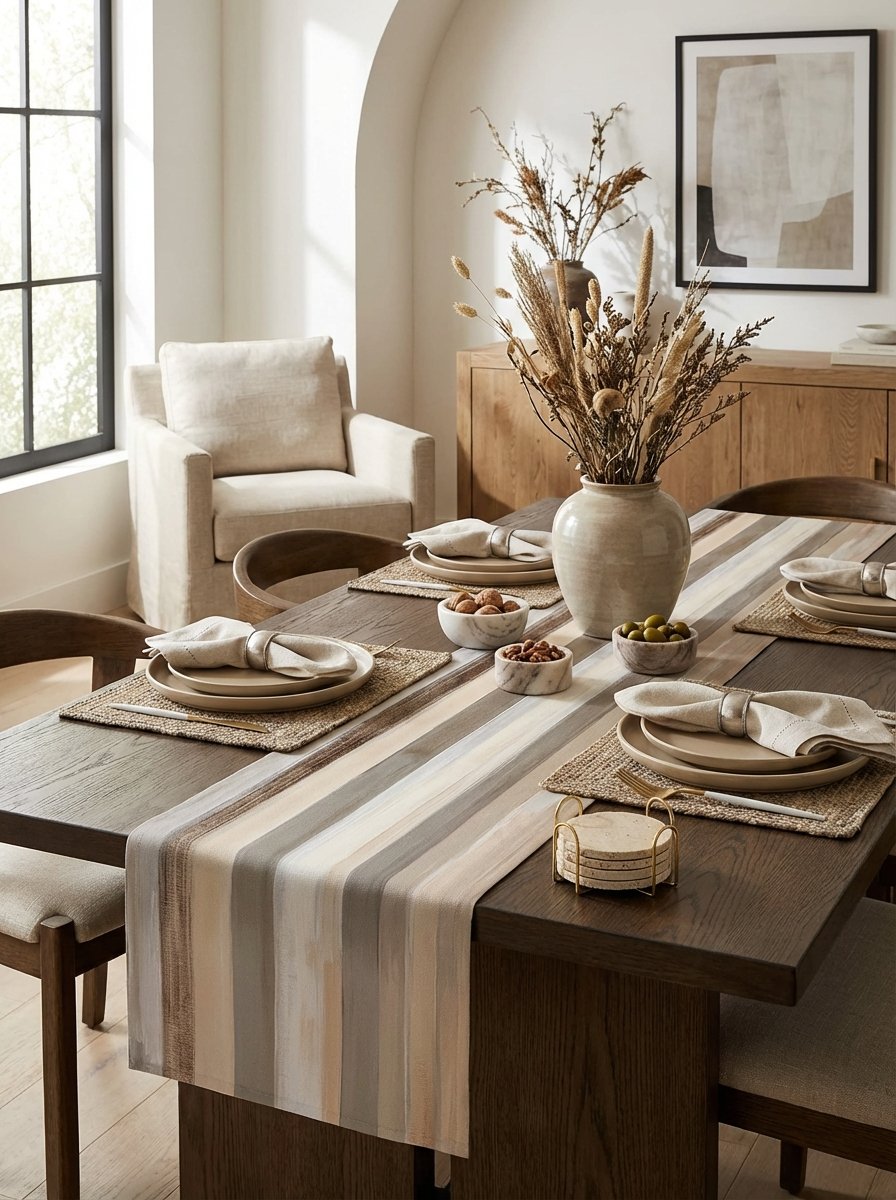
Neutrals aren’t boring—they’re sophisticated. The key is understanding that “neutral” doesn’t mean “one shade of beige.” It’s an entire spectrum from warm caramels to cool greys, from creamy whites to deep charcoals. When you layer these tones thoughtfully, you create dimension that’s subtle yet stunning.
Start with foundational layers like the Brown Grey Table Runner in Abstract Textured Design, which brings 60 inches of modern artistry to your dining experience. The abstract neutral pattern provides visual interest without competing with your tableware. Build your place settings with Natural Linen Flax Cotton Dinner Napkins featuring elegant hemstitching—their natural fiber adds organic warmth while the hemstitch detail provides just enough refinement. Complete the tableau with Italian Travertine Marble Coasters in beige stone, where natural variations in the marble ensure no two are exactly alike.
This approach creates what designers call “tonal depth”—the subtle interplay of similar hues that gives your space sophistication without sacrificing the calm minimalist aesthetic. It’s monochromatic done masterfully.
Pro Tip: Sample Before Committing
When building a neutral palette, collect physical samples of your textiles and materials. View them together in your space at different times of day—morning light reveals cooler undertones while evening light brings out warmer hues. This prevents costly mismatches.
Introduce Greenery as Living Art
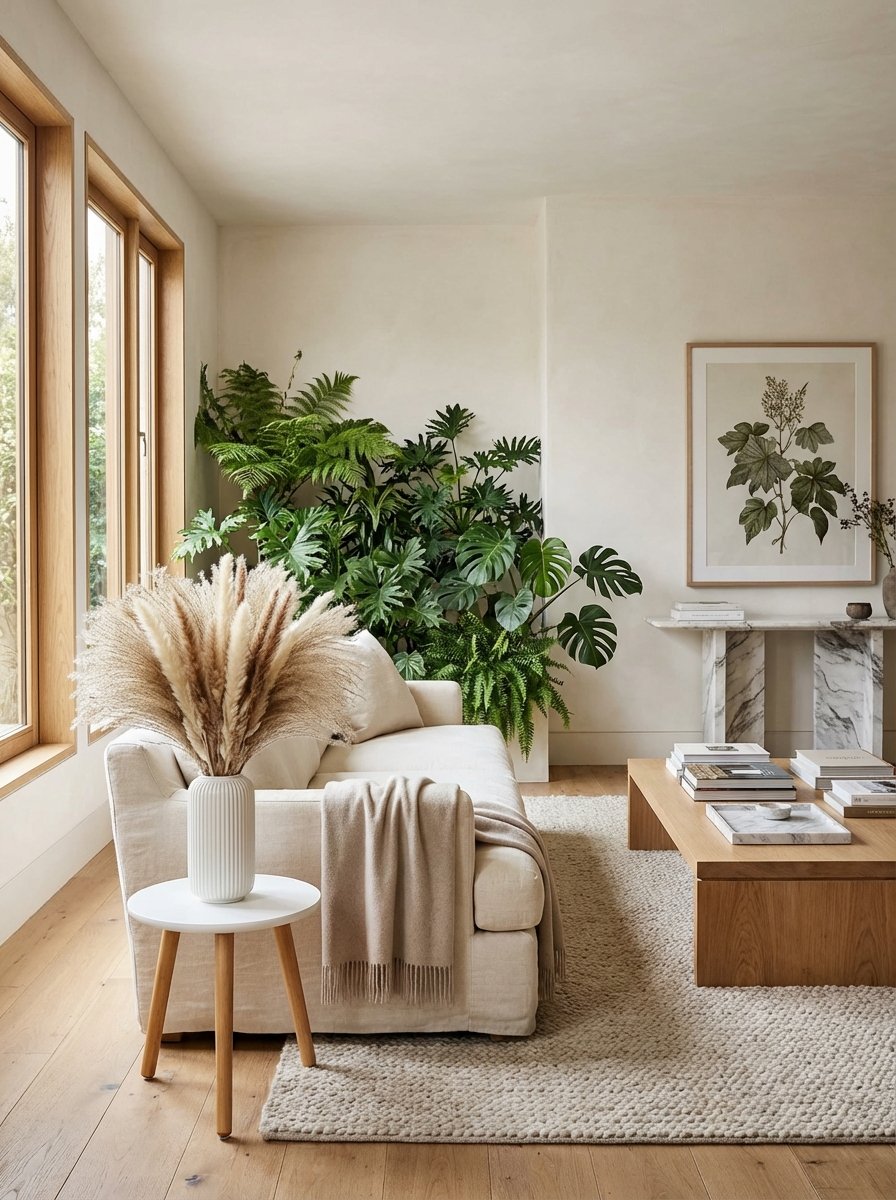
Plants aren’t just decor—they’re living sculptures that change with seasons and bring organic energy into your carefully curated space. But in minimalist design, it’s not about jungle vibes; it’s about treating each plant like a deliberate art installation.
Showcase botanicals in the KIOXOHO White Ceramic Vase with its modern 8-inch silhouette that elevates simple stems into gallery-worthy displays. For an effortlessly chic look that requires zero maintenance, arrange a Natural Dried Pampas Grass Bouquet with its 85-piece collection of pampas, bunny tails, and dried flowers in white and brown tones. Elevate your greenery literally with the Uneedem Wood Mid Century Modern Plant Stand—its 8.9-inch height creates layered interest while its clean lines maintain your minimalist aesthetic.
The beauty of this approach is versatility. Fresh flowers for special occasions, dried arrangements for lasting impact, or living plants that grow and evolve with your space—all styled with the same intentional simplicity that defines great minimalist design.
Pro Tip: The Odd Number Rule
Display plants in odd-numbered groupings (one, three, or five) at varying heights. This creates natural visual triangles that the eye finds pleasing. A single statement plant can anchor a corner, while a trio creates a curated vignette.
Invest in Statement Pieces That Spark Joy
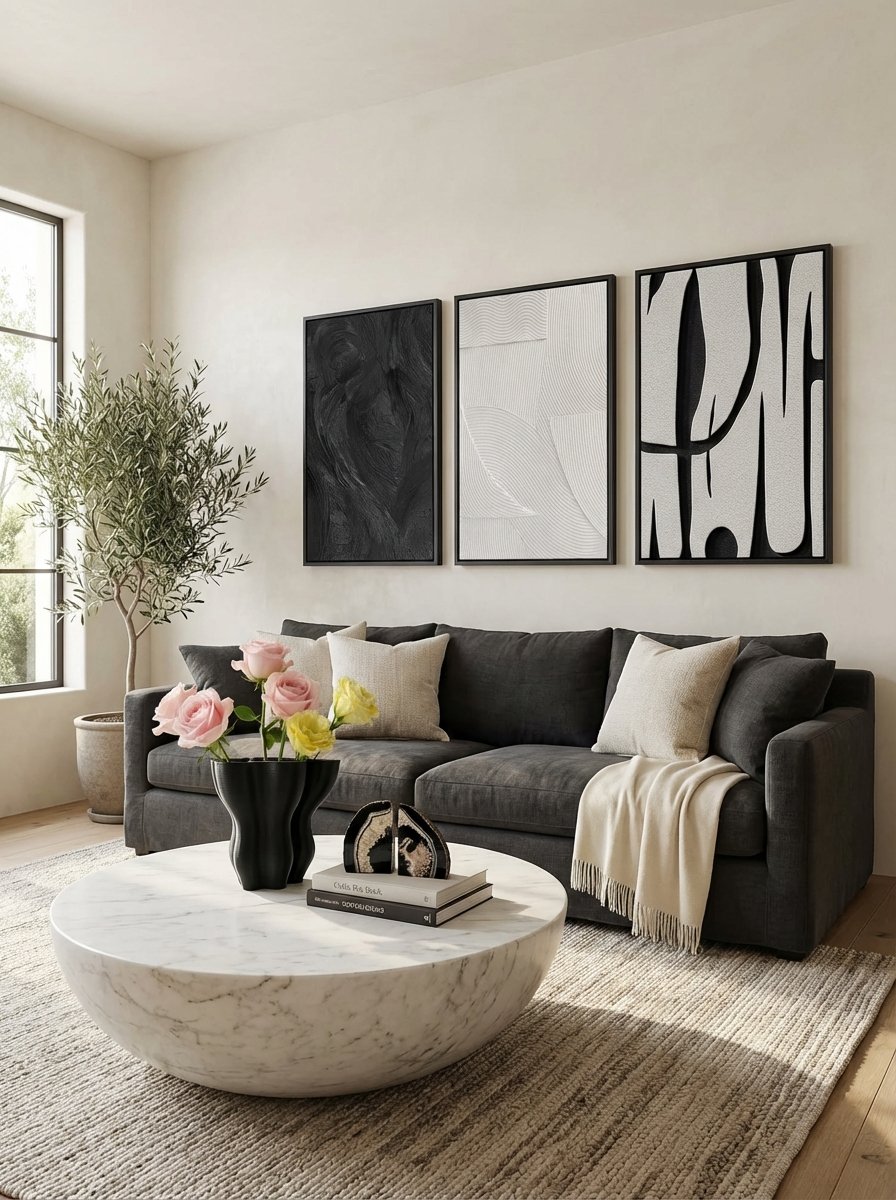
In minimalist design, less is more—but that “less” should be exceptional. Statement pieces are your opportunity to express personality, to choose objects so compelling that they need no accompaniment. These are the items that make visitors pause and ask, “Where did you find that?”
Transform bare walls with Framed Black and White Abstract Wall Art in three pieces, where minimalist brushstrokes create movement and emotion without overwhelming your space. Each 16×24-inch canvas brings gallery-level sophistication at an accessible price. On surfaces, let a Contemporary Black Ceramic Vase with Abstract Irregular Shape command attention with its sculptural presence—it’s stunning empty or filled, a true conversation piece. For bookshelves, invest in AMOYSTONE Crystal Agate Bookends in natural black, where 4-6 pounds of genuine stone add both function and the kind of organic luxury that can’t be faked.
These aren’t just decorative objects—they’re investments in your space’s character. Quality over quantity isn’t just a minimalist mantra; it’s the foundation of timeless design.
Pro Tip: The One-Third Rule for Art Placement
When hanging artwork above furniture, the piece should span approximately two-thirds to three-quarters of the furniture width. For a three-piece set, treat them as one unified piece when calculating this proportion for perfect visual balance.
Master the Art of Strategic Styling
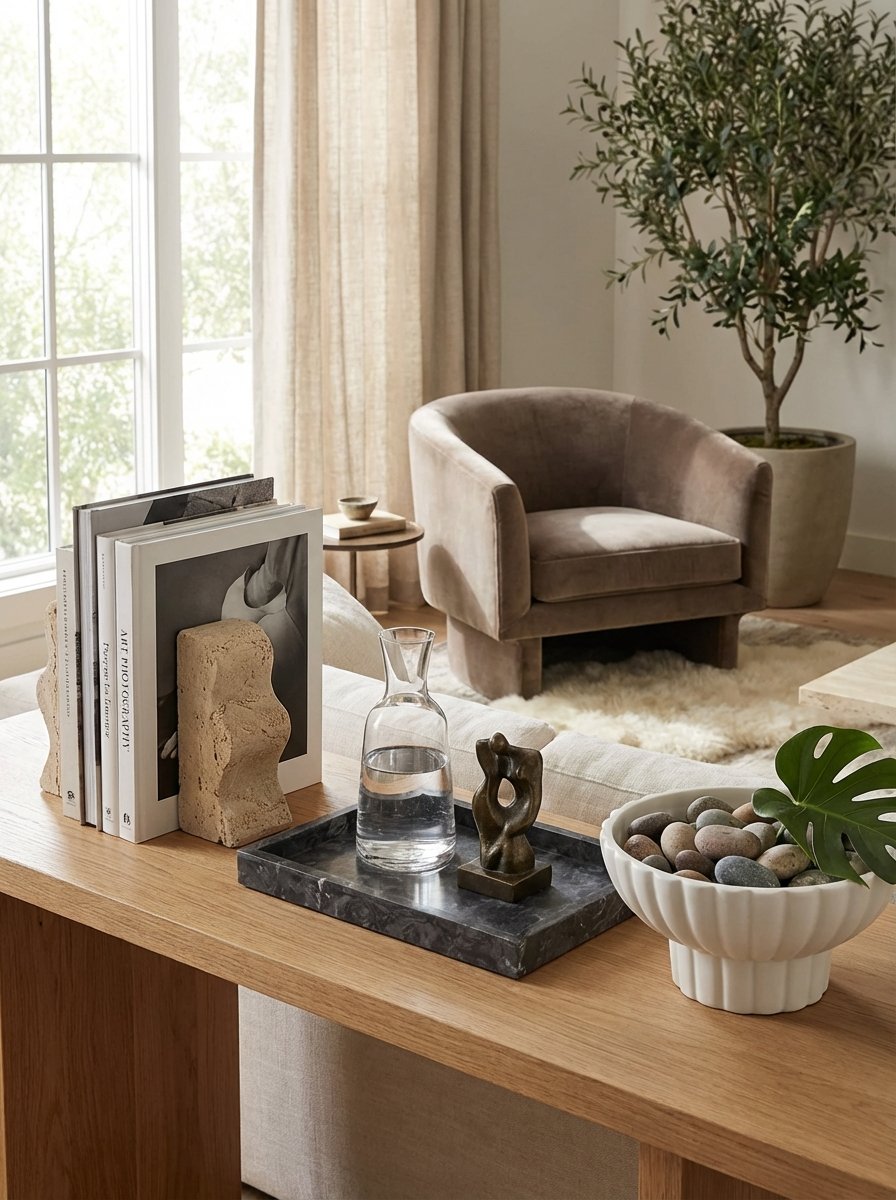
Styling is where good minimalism becomes great. It’s the difference between a showroom and a home, between sterile and serene. Strategic styling means every object is placed with purpose, creating small moments of beauty throughout your space that reward closer inspection.
Create anchored vignettes with Creative Co-Op Decorative Travertine Wave Bookends—their natural stone curves bring organic sculpture to your shelving while holding your favorite reads in place. Style surfaces with a Natural Black Marble Tray measuring 12″x8″, perfect for corralling bathroom essentials, kitchen counter items, or jewelry on your dresser. Its stone materiality adds instant luxury while maintaining order. As a centerpiece, the 10-inch Handcrafted White Ceramic Pedestal Bowl with fluted design serves multiple roles—fruit display, key holder, coffee table accent—always elegant, never cluttered.
The secret is creating what designers call “styled chaos”—arrangements that look effortless but are actually meticulously composed. It’s the art of making intention look accidental.
Pro Tip: The Triangle Technique
When styling a surface or shelf, arrange objects so they form an invisible triangle. Place your tallest item at one point, medium at another, and smallest at the third. This creates dynamic visual flow that guides the eye naturally through your composition.
Play With Geometric Shapes and Clean Lines
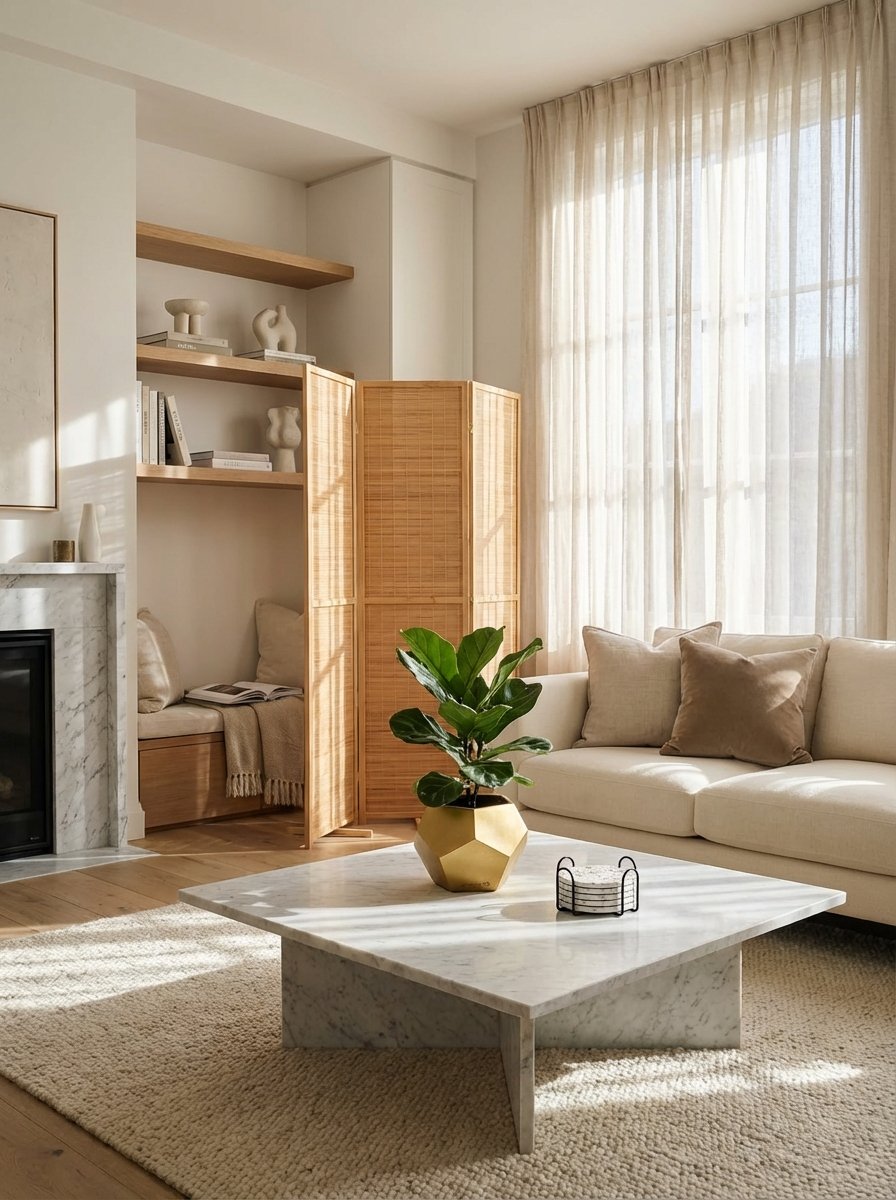
Geometry is minimalism’s visual language. Circles, squares, triangles—these fundamental shapes create order and rhythm in your space. When you consciously incorporate geometric elements, you’re speaking the dialect of modern design fluently.
Introduce architectural interest with CONCRETTE Square Geometric Concrete Planters available in 9cm and 12cm diameters—their angular form contrasts beautifully with organic plants while the cement material adds industrial-chic texture. Define zones without walls using a Bamboo Room Divider with Mesh Woven Panel that stands 5.6 feet tall. Its geometric weave pattern creates privacy while maintaining visual lightness, perfect for studio apartments or open-plan living. Ground your coffee table with LIFVER Terrazzo Pattern Coasters in a set of six—their speckled geometric design brings subtle pattern play that’s distinctly modern.
The interplay of different geometric shapes creates visual tension that’s sophisticated rather than busy. It’s mathematical beauty translated into livable design.
Pro Tip: Mix Geometric Scales
Combine large-scale geometric elements (like furniture or room dividers) with small-scale geometric accessories (like coasters or small planters). This creates visual hierarchy and prevents your geometric theme from feeling monotonous or overly rigid.
Incorporate Natural Materials for Organic Appeal
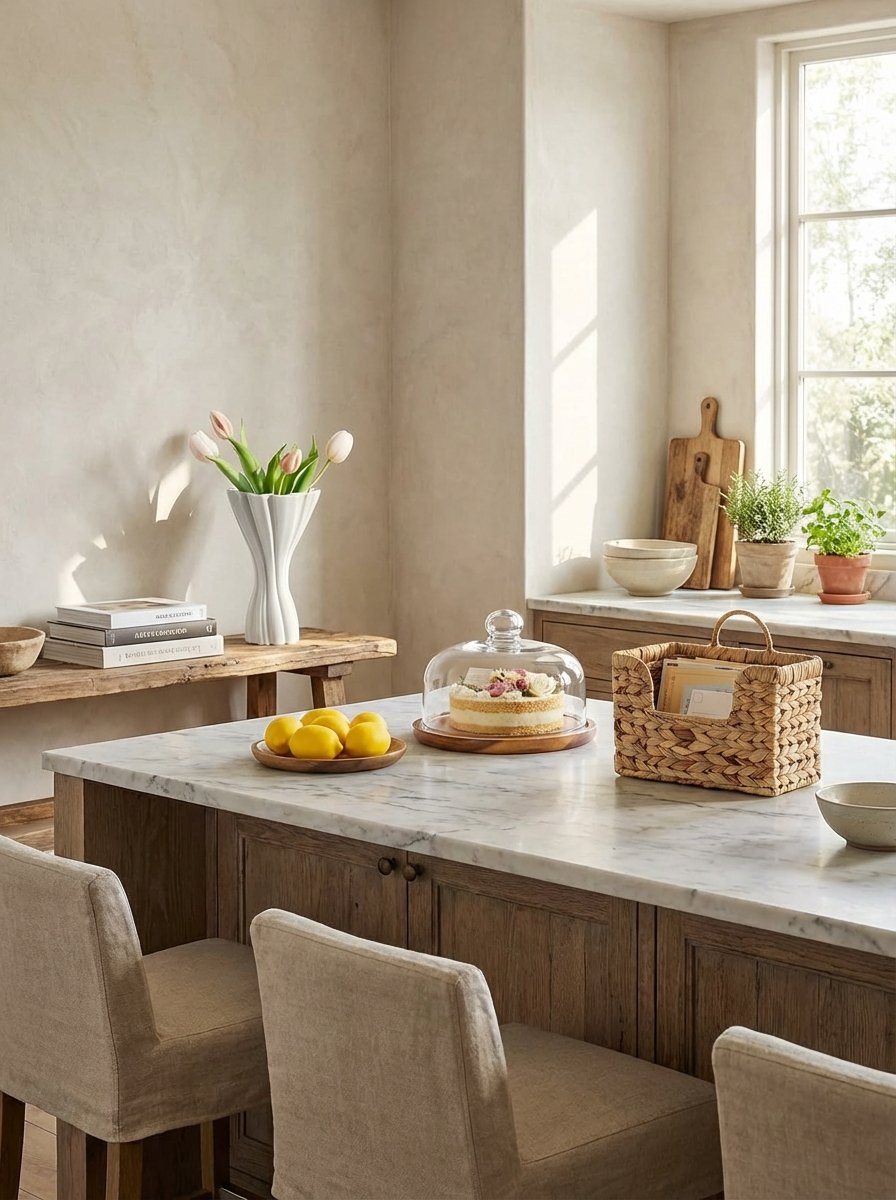
Natural materials ground minimalist spaces in authenticity. Wood, stone, ceramic, woven fibers—these aren’t just trendy; they’re timeless. They bring warmth and soul to spaces that might otherwise feel too precise, too perfect.
Showcase special objects under the Wooden Base Cake Display Stand with Glass Dome—at 8 inches round, it’s perfect for desserts, plants, or treasured objects. The combination of wood and glass represents minimalism’s love affair with honest materials. Display fresh or dried stems in a Minimalist White Ceramic Vase with Irregular Organic Shape, where wabi-sabi philosophy meets modern design—the imperfect form celebrates natural beauty. Keep magazines and papers organized with a Woven Water Hyacinth Wall Mounted Magazine Holder, whose rattan construction adds texture and warmth while maintaining the clutter-free aesthetic.
These materials age beautifully, developing patina and character over time. In a minimalist space, this evolution becomes part of your home’s story rather than a flaw to hide.
Pro Tip: The 70-30 Material Mix
Balance your materials with approximately 70% hard surfaces (wood, ceramic, stone, glass) and 30% soft materials (textiles, woven fibers). This ratio creates enough variety to feel warm while maintaining the clean, structured foundation minimalism requires.
Curate a Cohesive Color Palette Throughout
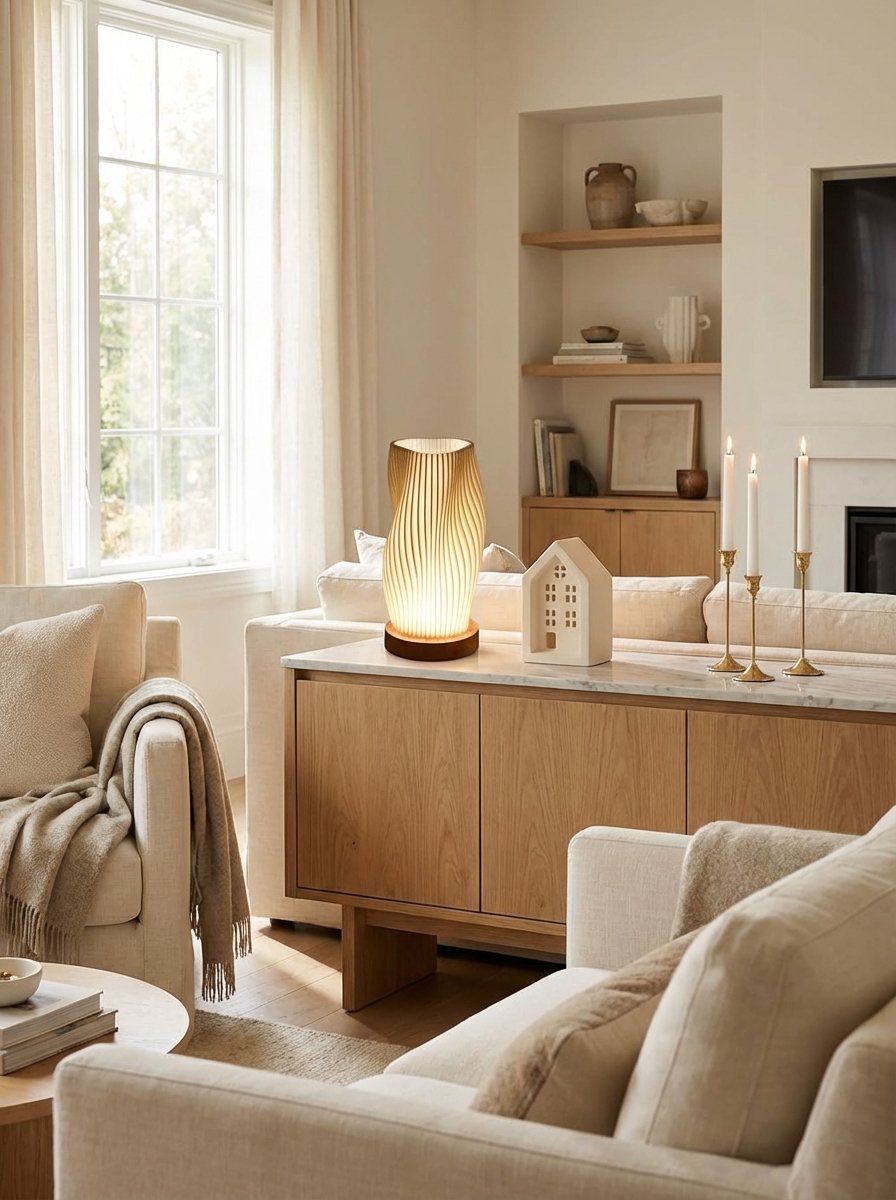
Color cohesion is what separates amateur minimalism from professional-level design. When every room flows into the next through a thoughtfully chosen palette, your entire home becomes one harmonious experience rather than a collection of disconnected spaces.
Establish consistent lighting with a Bedside Lamp with Wooden Base featuring 9-level dimming—its natural wood and PLA lampshade in neutral tones set the standard for warmth throughout your home. Add ambient evening glow with a Ceramic House Tea Light Candle Holder in white, whose minimalist architecture and window cutouts create shadow play that’s both functional and artistic. For formal moments, display Vintage Brass Gold Taper Candlestick Holders in a set of three—their elegant metallic finish introduces just enough warmth and glamour without breaking your neutral scheme.
The result is a home where you can move from room to room feeling a sense of continuity and calm. Colors converse with each other across doorways, creating visual poetry in your everyday life.
Pro Tip: Create a Physical Color Board
Before purchasing, create a color board with paint chips, fabric swatches, and material samples from all your intended rooms. Pin them together and live with them for a week, observing how they interact in different lighting. This prevents costly mistakes and ensures true cohesion.
FAQ & Expert Tips: Mastering Minimalist Aesthetics
How do I make minimalism feel warm instead of cold?
The secret is texture and natural materials. Layer different fabrics (linen, cotton, velvet), incorporate wood and stone elements, and use warm-toned metals like brass or gold. Proper lighting—both natural and warm artificial—also prevents that sterile feeling. Think of warmth as coming from materials and light rather than clutter.
What’s the biggest mistake people make with minimalist design?
Going too sparse too quickly. Minimalism isn’t about removing everything—it’s about keeping what serves you aesthetically or functionally. The mistake is creating emptiness rather than intentional space. Start by removing obvious clutter, then gradually refine. Your space should feel serene, not stark.
How many decor items should be on a surface in a minimalist home?
Follow the “rule of three” for surfaces: group items in odd numbers (typically three or five objects) at varying heights. A coffee table might have a decorative bowl, a small plant, and a stack of two books. A console table could feature a lamp, a vase, and a small sculptural object. Less truly is more, but zero can feel sterile.
Can minimalism work with color, or does it have to be all white and beige?
Absolutely! While neutral palettes are popular in minimalism, the key is restraint and intention. Choose one or two accent colors and use them sparingly but consistently throughout your space. Muted tones—dusty blue, sage green, terracotta—work beautifully. The minimalism comes from simplicity of palette, not absence of color.
How do I maintain a minimalist aesthetic with children or pets?
Smart storage is your best friend. Invest in beautiful closed storage solutions where toys and pet supplies can be quickly tucked away. Choose durable, washable materials for textiles. Create designated “lived-in” zones where the minimalist rules relax slightly, keeping your main living spaces pristine. It’s about systems, not perfection.
What’s the difference between minimalist and Scandinavian design?
Scandinavian design is a subset of minimalism that specifically emphasizes hygge (coziness), natural light, and functionality. It tends toward warmer woods, softer textiles, and more organic shapes. Pure minimalism can be more austere and international in flavor. Scandi design is minimalism with extra warmth and livability built in.
How often should I rotate or change decor in a minimalist home?
Seasonally is ideal for small updates—swap throw pillows, rotate artwork, or change out botanical displays. This keeps your space feeling fresh without requiring constant shopping. However, the foundation pieces (furniture, major decor items) should be timeless investments you keep for years. Minimalism values longevity over trends.
What’s the best way to display sentimental items in a minimalist space?
Curate ruthlessly and display beautifully. Choose only your most meaningful pieces and give them proper showcase—frame photos in matching frames, use museum-quality mounts for artwork, or place treasured objects under glass domes. Rotation is key: store some items and swap them seasonally. This keeps sentiment without sacrificing aesthetics.
Creating an aesthetic minimalist home isn’t about deprivation—it’s about curation. Every element you’ve explored here, from the strategic use of negative space to the thoughtful layering of textures and tones, works together to craft spaces that breathe elegance and intention. Your home should feel like a sanctuary where less truly becomes more, where simplicity never means sacrifice.
The beauty of minimalist design lies in its evolution. As you implement these ten strategies, you’ll discover your own aesthetic voice within the minimalist framework. Maybe you’ll lean into Scandinavian warmth, or perhaps your minimalism will take on Japanese wabi-sabi influences. The foundation remains the same: quality over quantity, intention over accident, beauty through restraint.
Start with one room, one corner, one surface. Apply these principles gradually, thoughtfully, and watch as your space transforms into the serene, sophisticated haven you’ve been envisioning. Your minimalist journey isn’t about reaching a destination—it’s about creating a living environment that supports, inspires, and delights you every single day. Welcome to the art of less, beautifully done.
