10 Ways To Make Your Kitchen Look Attractive!
Your kitchen is more than a functional space—it’s the heart of your home, where memories simmer alongside meals and conversations flow as freely as morning coffee. Transforming this essential room into an attractive, inviting sanctuary doesn’t require a complete overhaul or exorbitant budget. Strategic updates, thoughtful styling, and intentional design choices can elevate your kitchen from mundane to magazine-worthy. Whether you’re preparing to sell, seeking daily inspiration, or simply craving a refresh, these ten actionable strategies will help you unlock your kitchen’s full aesthetic potential. From statement lighting to curated displays, each approach balances beauty with practicality, ensuring your space not only looks stunning but functions flawlessly for everyday life.
Embrace Statement Lighting Fixtures
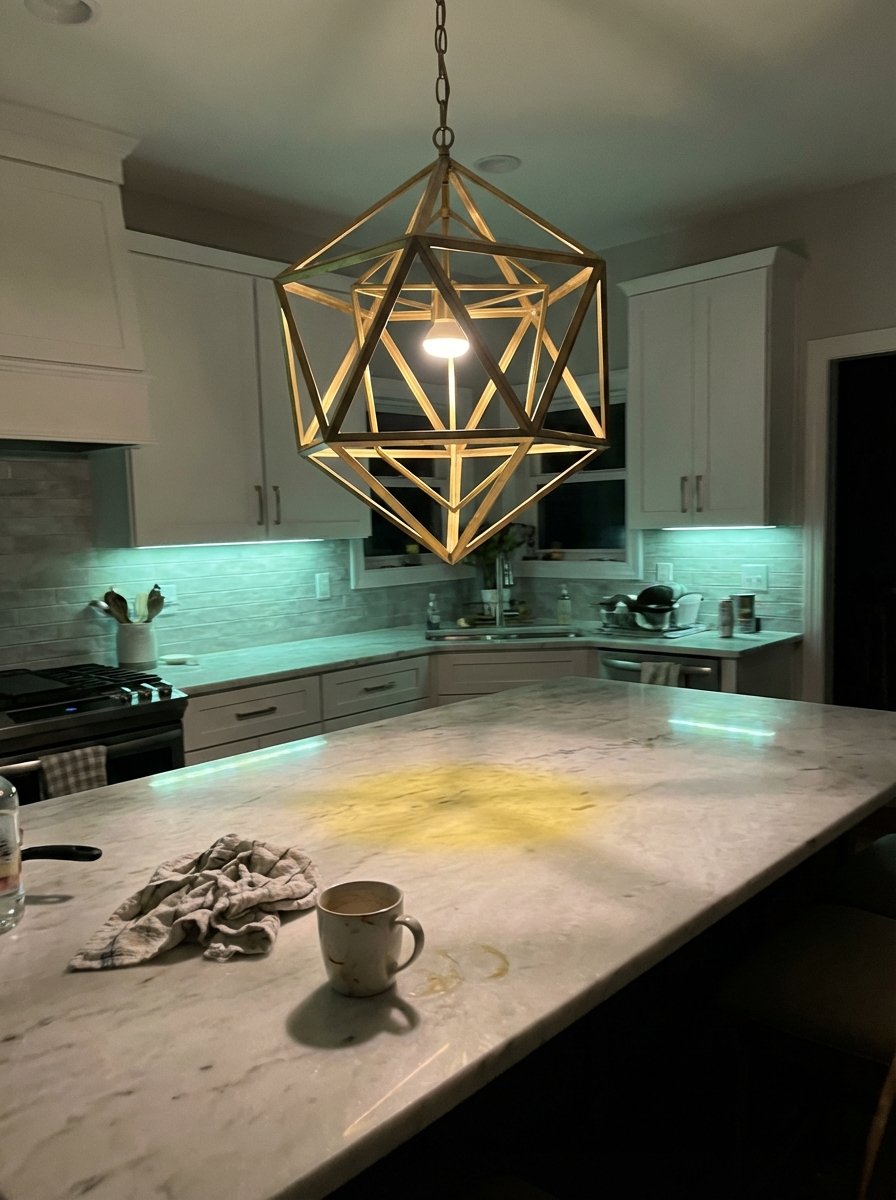
Lighting serves as jewelry for your kitchen, capable of transforming the entire ambiance with a single installation. Pendant lights suspended over an island or dining counter create vertical interest while providing task illumination exactly where you need it most. Consider oversized geometric pendants in matte black, brass globe chandeliers, or sculptural glass fixtures that catch and refract natural light throughout the day.
Layered lighting elevates sophistication exponentially—combine ambient ceiling fixtures with under-cabinet LED strips and accent lights inside glass-front cabinets. This multi-dimensional approach eliminates harsh shadows, highlights architectural features, and allows you to adjust mood according to time of day or occasion. Dimmer switches offer additional control, transitioning your kitchen from bright meal-prep hub to intimate evening gathering space. The right lighting doesn’t just illuminate—it defines character, showcases design elements, and makes your kitchen feel intentionally curated rather than accidentally assembled.
Install a Bold Backsplash
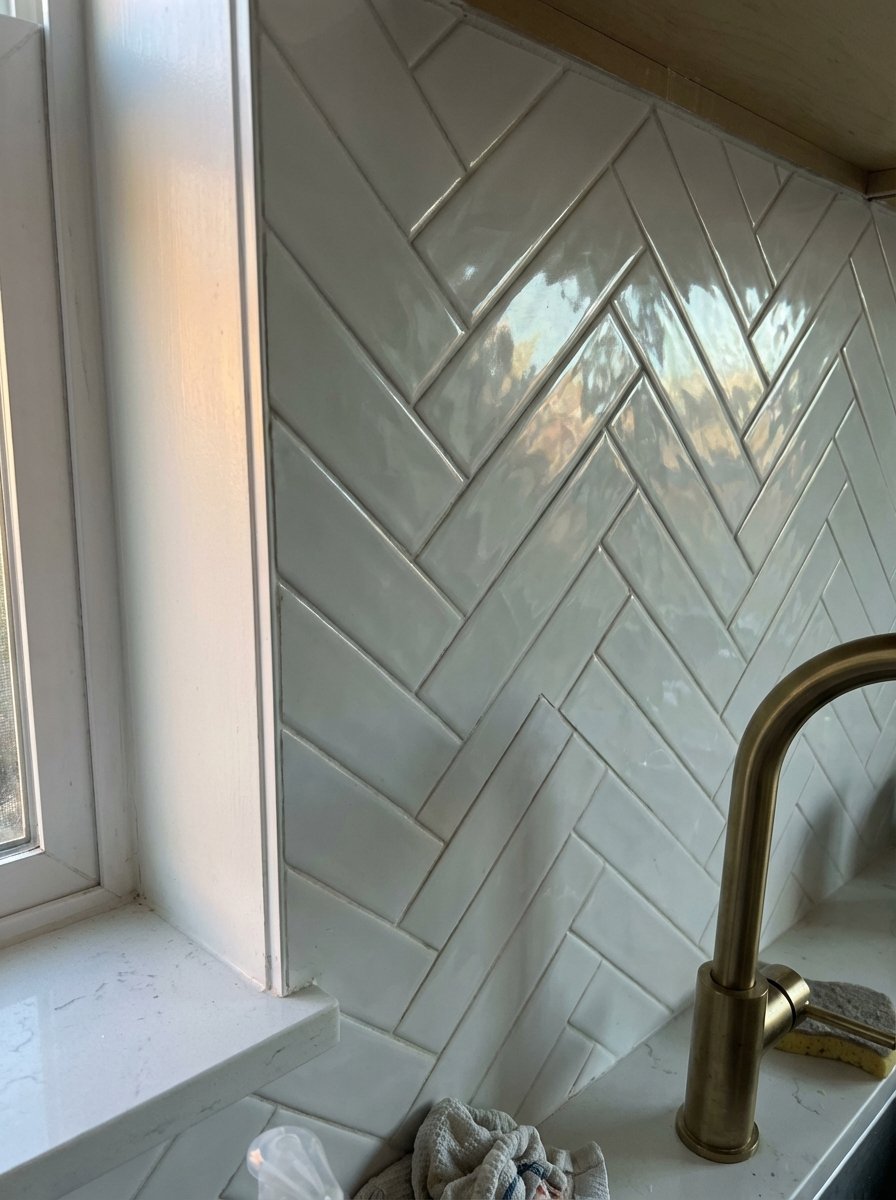
Your backsplash occupies prime visual real estate between countertops and upper cabinets, making it the perfect canvas for bold expression. Patterned cement tiles in geometric or Moroccan designs inject personality and cultural richness, while handmade subway tiles with irregular edges add artisanal charm. Consider extending your backsplash to the ceiling for dramatic impact, or introduce metallic finishes like copper or brushed gold that reflect light and create luxurious shimmer.
Material choice dramatically influences overall aesthetic—glossy ceramic delivers timeless elegance, natural stone brings organic texture, and glass tiles offer contemporary sleekness with easy maintenance. Herringbone, chevron, or vertical stacking patterns transform standard tiles into dynamic focal points. For rental-friendly or budget-conscious updates, peel-and-stick tile options now offer remarkable realism and durability. A striking backsplash anchors your design scheme, provides a backdrop that makes other elements pop, and demonstrates sophisticated attention to detail that guests immediately notice upon entering your space.
Upgrade Cabinet Hardware
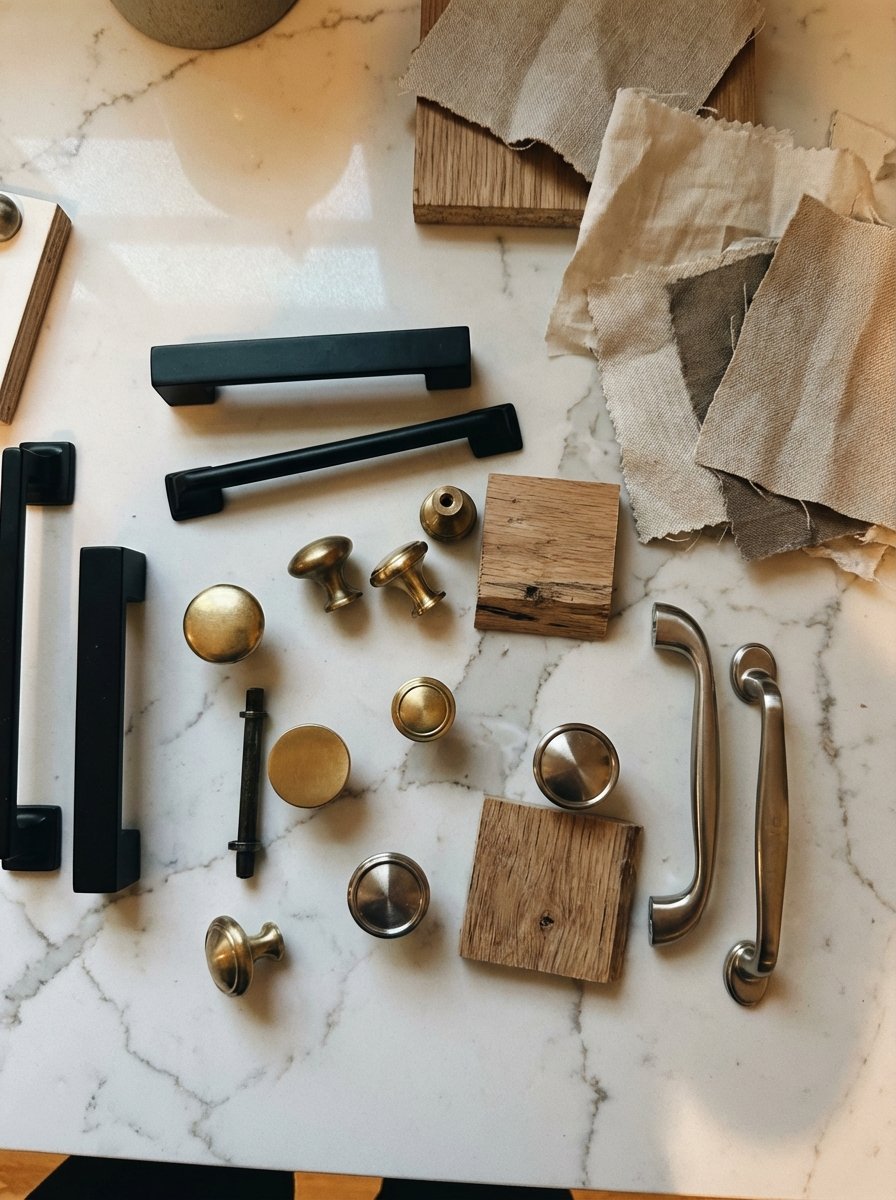
Cabinet hardware functions as subtle punctuation marks that complete your kitchen’s design sentence. Swapping dated knobs and pulls for contemporary alternatives creates instant visual cohesion without the expense of cabinet replacement. Brass and gold finishes exude warmth and luxury, matte black delivers modern sophistication, while polished nickel or chrome maintains classic versatility that complements various aesthetics.
Consider scale and proportion—oversized pulls on drawers create bold statements, while coordinated knobs on upper cabinets maintain visual consistency. Mixed metallics intentionally paired (like brass knobs with black pulls) add curated eclecticism when executed thoughtfully. Leather pulls, ceramic knobs with hand-painted details, or geometric shapes introduce textural interest and artisanal quality. This seemingly minor upgrade yields disproportionate impact, elevating perceived value and demonstrating design literacy. Quality hardware feels substantial in hand, enhances daily user experience, and signals that every detail has been considered in your kitchen’s transformation.
Incorporate Open Shelving Strategically
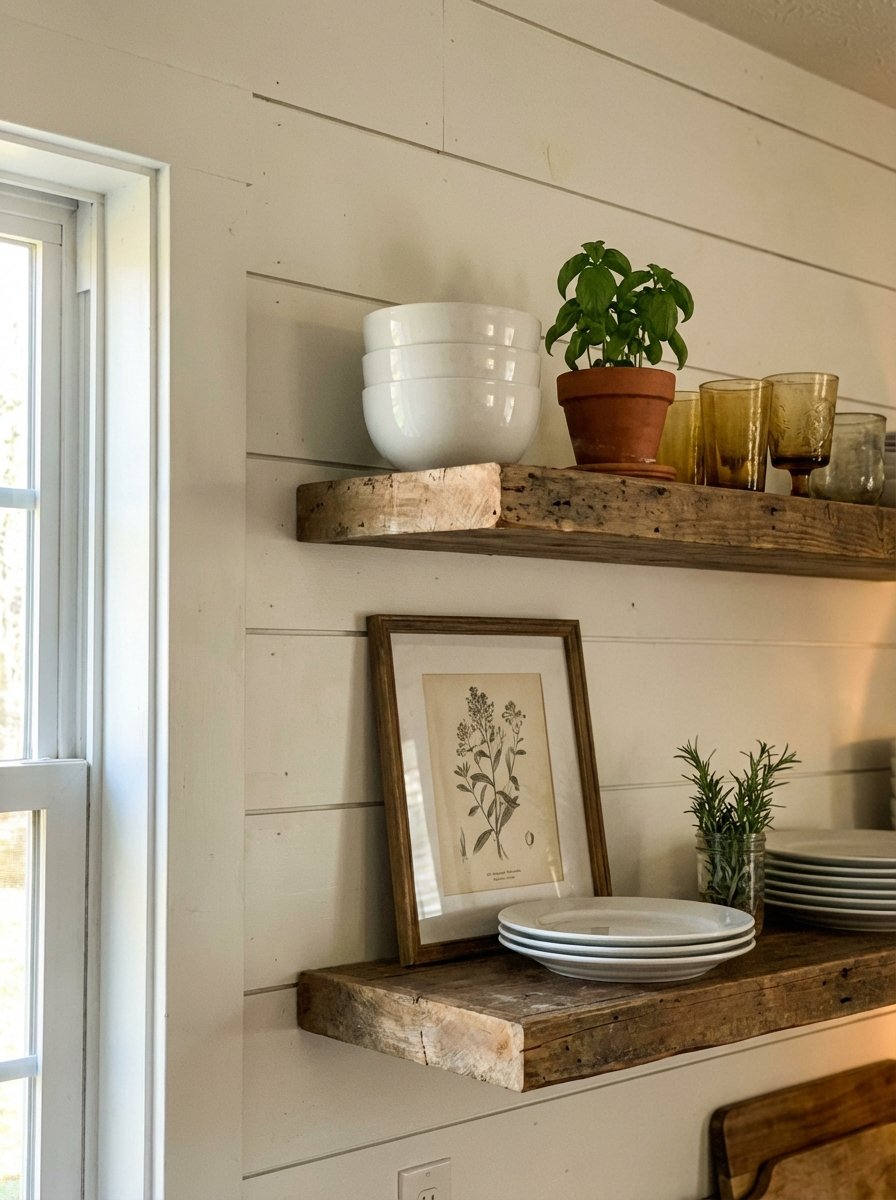
Open shelving breaks up visual monotony while providing opportunity for curated display that reveals personality. Replacing one or two upper cabinets with floating shelves creates breathing room, showcases beautiful dishware, and makes your kitchen feel more expansive and less enclosed. This approach works particularly well flanking windows, in corners, or above coffee stations where frequently used items benefit from easy accessibility.
Styling open shelves requires intentional editing—group items by color, alternate heights with stacked plates and vertical vessels, and incorporate greenery or small art pieces between functional objects. White ceramics against painted shelves create serene minimalism, while colorful pottery and vintage glassware inject bohemian charm. Practical considerations matter too: position shelves away from the stove to avoid grease accumulation, and commit to maintaining organized, dust-free displays. Open shelving transforms everyday objects into decorative elements, encourages you to invest in beautiful pieces you’ll actually use, and creates flexible storage that adapts as your needs and aesthetic preferences evolve.
Add Natural Elements and Greenery
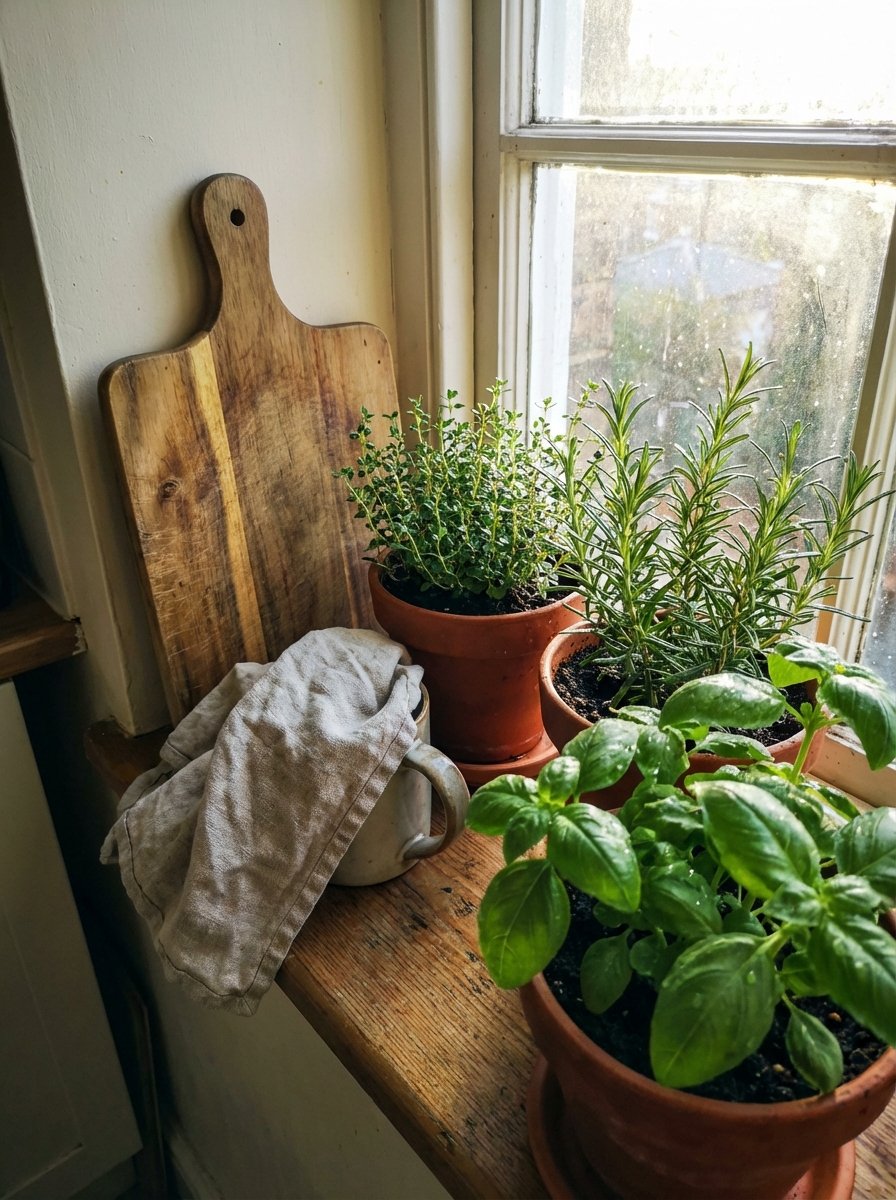
Biophilic design principles confirm what intuition suggests—natural elements make spaces feel more alive, welcoming, and psychologically restorative. Potted herbs on windowsills serve double duty as living decor and fresh ingredients, while hanging plants soften hard architectural edges and draw the eye upward. Consider low-maintenance varieties like pothos, snake plants, or philodendrons that thrive in varying light conditions and forgive occasional neglect.
Wood elements—cutting boards displayed vertically, wooden bowls, butcher block countertops, or floating shelves with visible grain—introduce warmth that balances stainless steel appliances and stone surfaces. Natural fiber textures appear in woven baskets for produce storage, jute rugs defining dining zones, or linen window treatments filtering harsh sunlight. Fresh flowers in simple vessels add color pops and seasonal variation without permanent commitment. These organic touches create sensory richness beyond the visual—the scent of fresh basil, the tactile pleasure of smooth wood, the gentle movement of swaying leaves—transforming your kitchen into a multidimensional experience that nourishes beyond meal preparation.
Feature Curated Wooden Serving Boards as Wall Art
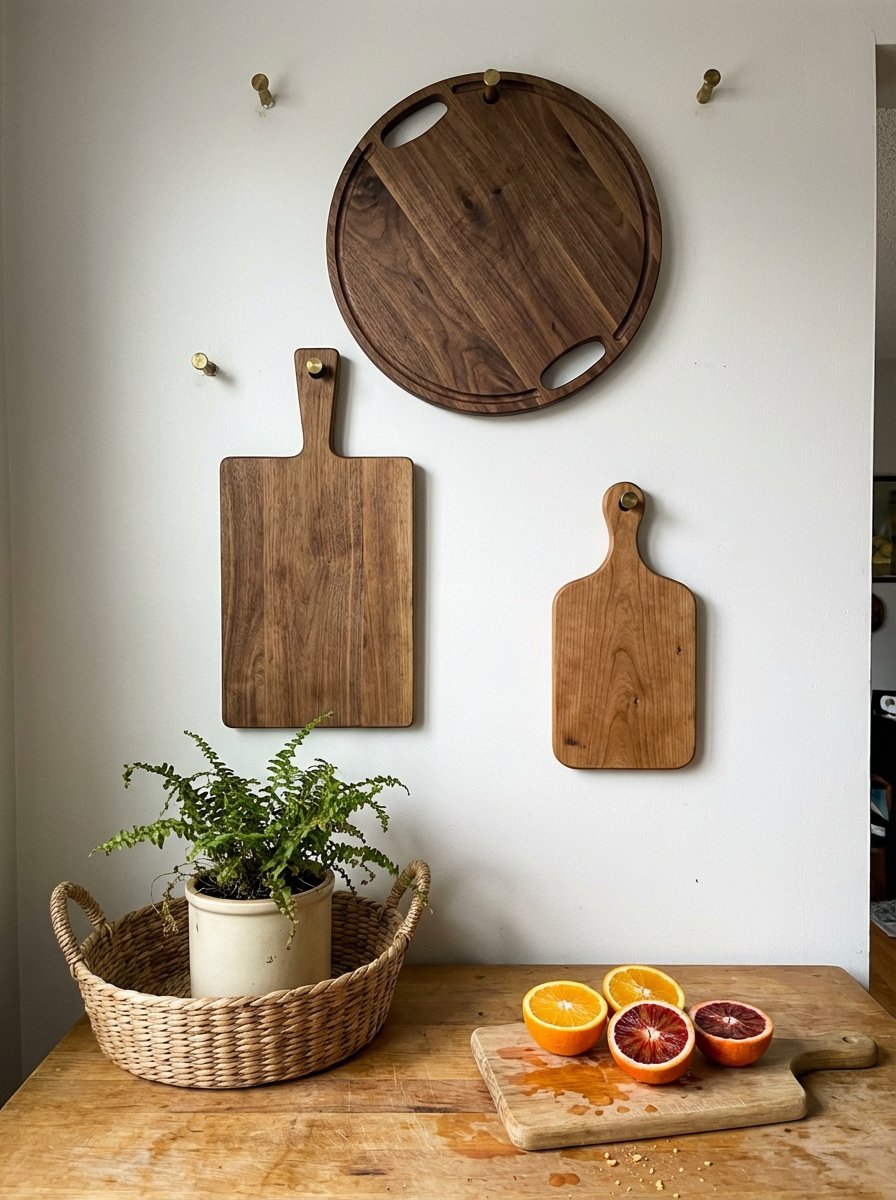
Kitchen walls often remain neglected canvases, but thoughtful vertical displays transform blank spaces into design statements. The collection of warm-toned wooden serving boards shown here—featuring a large round board, medium rectangular board with handle, and smaller paddle board—demonstrates how functional items become striking art when intentionally arranged. These pieces showcase rich wood grain patterns, natural variations in tone from honey to deep walnut, and organic character that machine-made decor cannot replicate.
Position these boards on a clean white or neutral wall, using small nails or decorative hooks that complement the wood tones. Arrange them in asymmetrical clusters for dynamic visual interest, or align them systematically for structured elegance. The boards’ varying shapes and sizes create rhythm while their cohesive material maintains harmony. Below or adjacent to this display, style a small vignette with complementary elements—a woven basket, small potted fern, and fresh citrus on a coordinating wooden cutting board echoes the textures above while reinforcing the natural aesthetic.
This approach offers multiple advantages: it fills vertical space without overwhelming, showcases craftsmanship and quality materials, and keeps frequently used items accessible yet beautifully stored. When boards aren’t displayed, they transition seamlessly to functional service at your next gathering. The warm wood tones infuse your kitchen with inviting coziness, contrast beautifully against cool-toned walls or cabinetry, and create a focal point that feels both intentional and effortlessly organic—the hallmark of sophisticated kitchen styling.
Refresh Walls with Strategic Paint Colors
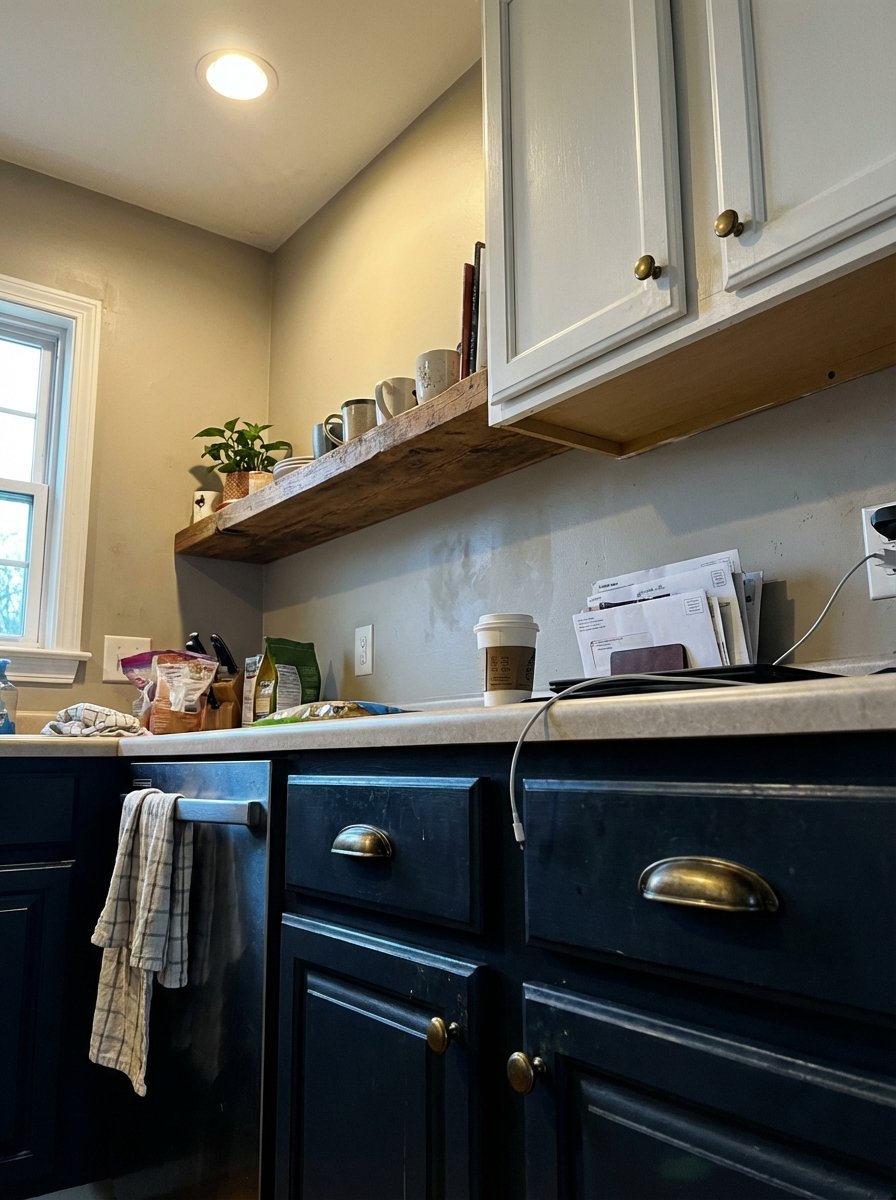
Paint delivers maximum transformation for minimal investment, fundamentally altering how your kitchen feels and functions visually. Soft neutrals like warm white, greige, or subtle sage expand perceived space and provide versatile backdrops for evolving decor. Deeper tones—navy, charcoal, or forest green—create intimate sophistication and make white cabinetry or open shelving pop dramatically against rich backgrounds.
Consider painting just one accent wall, your island base, or interior cabinet backs for controlled color infusion that doesn’t overwhelm. Two-tone approaches with darker lowers and lighter uppers add visual weight at floor level while maintaining airiness above. Matte finishes hide imperfections but require more careful cleaning, while satin sheens balance durability with subtle elegance. Test samples in your specific lighting conditions—colors shift dramatically between northern and southern exposures, under warm incandescent versus cool LED bulbs, and throughout the day as natural light changes.
Paint also extends to unexpected surfaces—refresh dated tile with specialized primers and paints, update cabinet interiors for surprise-and-delight moments, or create chalkboard or magnetic zones for meal planning. Strategic color psychology matters too: blues and greens promote calm, yellows energize, and earth tones ground. Your chosen palette establishes emotional tone, influences appetite and mood, and provides the foundational canvas upon which all other design elements perform.
Invest in a Statement Kitchen Rug
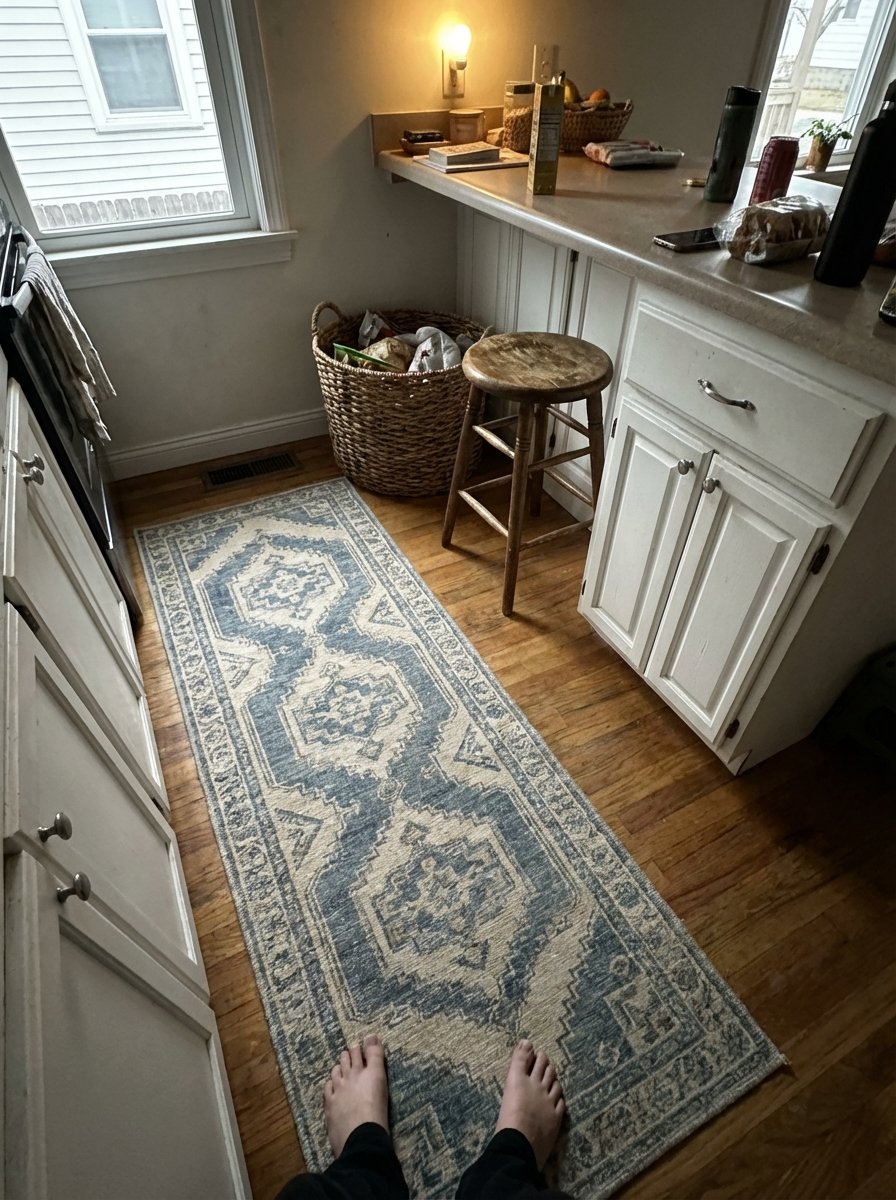
Textile elements often get overlooked in kitchens, yet rugs provide unexpected softness, define zones, and inject pattern in predominantly hard-surfaced spaces. A statement runner positioned along your primary workspace cushions feet during extended cooking sessions while protecting floors from inevitable spills and impacts. Washable cotton rugs in geometric patterns, vintage-inspired Persian designs, or bold stripes introduce color and visual interest at ground level where it’s often absent.
Scale matters considerably—too small appears incidental rather than intentional, while properly sized rugs anchor the space and create cohesion. Layer a smaller rug over larger jute or sisal for dimensional texture and bohemian flair. Consider low-pile options that accommodate opening cabinet doors and drawers without bunching, and ensure non-slip pads prevent dangerous shifting underfoot.
Pattern selection should either complement or thoughtfully contrast existing elements—if cabinetry and walls remain neutral, your rug can showcase bold design; if surfaces already feature busy tile or colorful cabinets, choose subtle patterns or solid colors. Maintenance requirements deserve honest assessment: kitchens demand durable, stain-resistant materials and many modern options offer machine-washable convenience. A well-chosen rug doesn’t just decorate—it defines circulation paths, absorbs sound in echo-prone spaces, and introduces comfort that makes your kitchen feel less utilitarian and more like a room worthy of lingering.
Showcase Functional Items as Decorative Displays
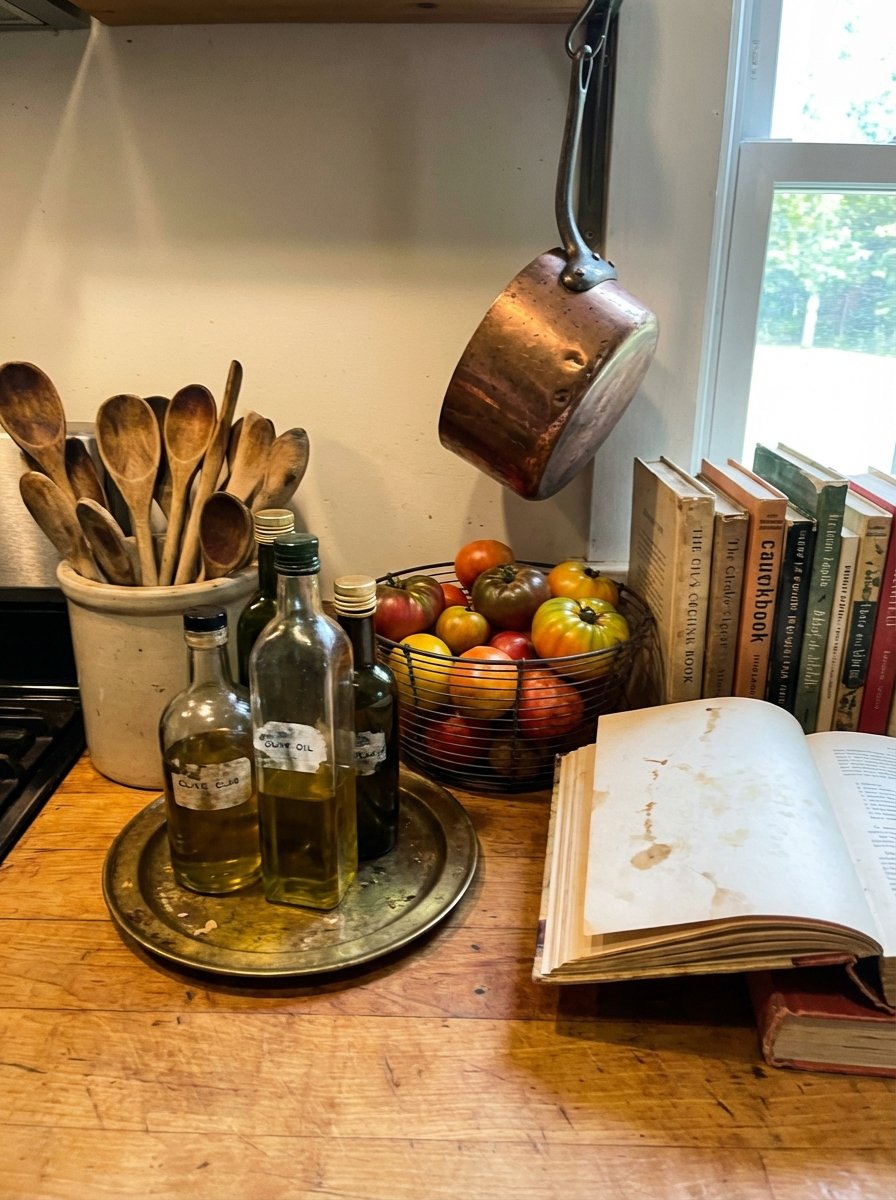
The line between utilitarian and beautiful blurs when ordinary kitchen items receive thoughtful presentation. Arrange frequently used items—wooden spoons in ceramic crocks, olive oils in glass bottles, colorful produce in wire baskets—where they’re both accessible and attractive. This approach eliminates clutter hiding behind closed doors while creating vignettes that evolve naturally with seasonal ingredients and daily use.
Cookbooks displayed on stands or stacked horizontally become sculptural elements that telegraph culinary passion. Copper pots hanging from ceiling racks catch and reflect light while freeing valuable cabinet space. Clear glass canisters filled with pasta, grains, or legumes create appealing color gradients and texture variations. The key lies in intentional curation—limit displayed items to what you genuinely use and love, employ cohesive containers or vessels that create visual harmony, and edit ruthlessly to prevent decorative abundance from crossing into chaotic overwhelm.
This strategy celebrates authenticity and lived-in charm rather than sterile showroom perfection. It makes cooking more efficient by keeping essentials visible and within reach, encourages you to invest in beautiful versions of everyday objects, and creates dynamic displays that shift with seasons, meals, and inspiration. Your kitchen becomes a true working space that looks beautiful precisely because it’s actively used and thoughtfully organized.
Create Ambient Glow with Under-Cabinet and Accent Lighting
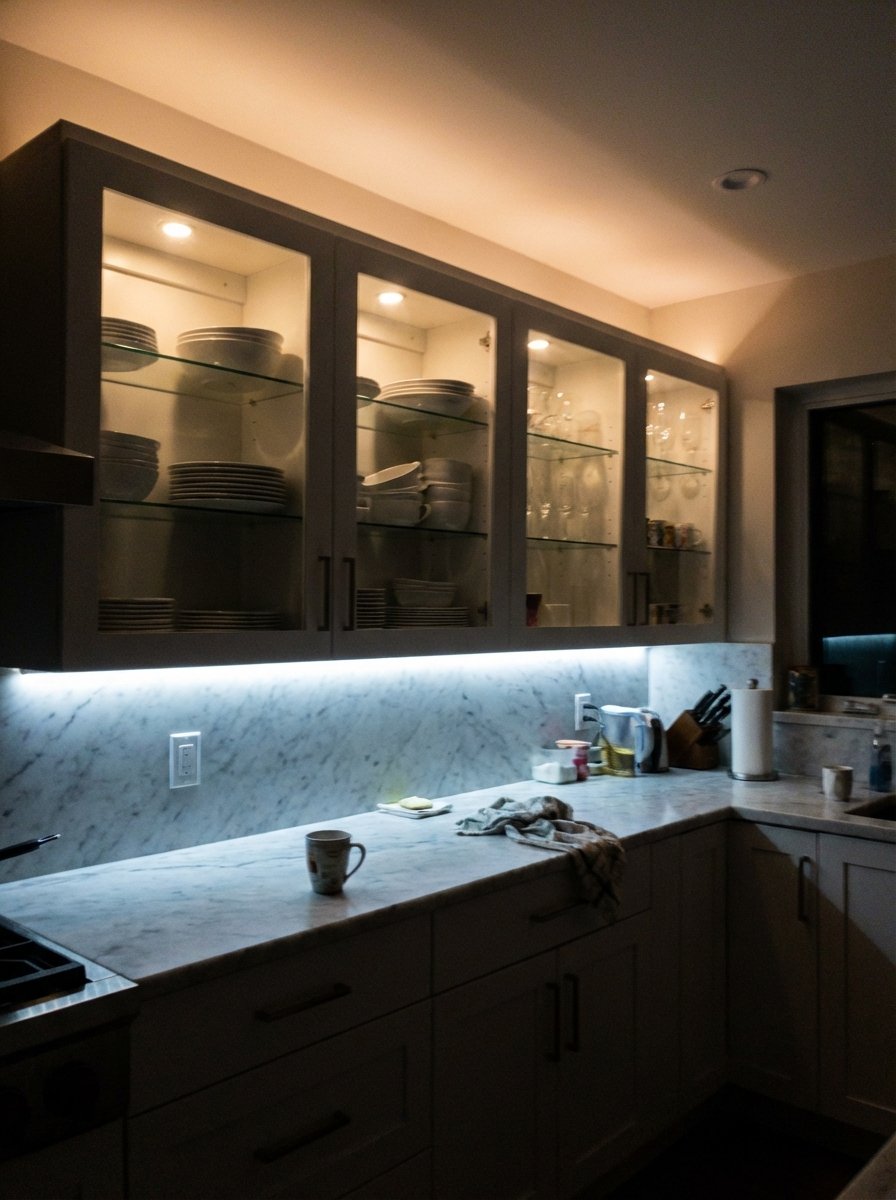
Beyond primary overhead fixtures, strategic accent lighting transforms your kitchen from one-dimensional brightness to layered luminosity with depth and drama. Under-cabinet LED strips eliminate shadowy work surfaces, making food preparation safer and more enjoyable while highlighting beautiful countertop materials. These slim fixtures virtually disappear when off, maintain cool temperatures during operation, and consume minimal energy despite constant use.
Inside glass-front cabinets, small puck lights or LED strips showcase displayed dishes, glassware, and collectibles like museum pieces. Toe-kick lighting creates unexpected glow at floor level, enhancing safety during nighttime navigation while adding architectural interest. Above cabinets, uplighting casts ambient wash on ceilings, making spaces feel taller and more expansive—particularly effective in kitchens with standard eight-foot ceilings.
Smart lighting systems enable color temperature adjustments throughout the day—bright, cool light for morning energy and detailed tasks, warm, dimmed tones for evening relaxation. Motion sensors in pantries or under cabinets add modern convenience while conserving energy. This comprehensive lighting approach doesn’t just illuminate—it sculpts space with light and shadow, highlights design investments that might otherwise go unnoticed, and creates versatile ambiance that adapts to functional needs and emotional desires. Your kitchen becomes a space that performs beautifully morning through midnight.
Conclusion: Your Kitchen, Elevated
Attractive kitchens don’t happen accidentally—they result from intentional choices that balance aesthetics with functionality, investment with impact, and personal style with timeless appeal. The ten strategies explored here offer flexible frameworks rather than rigid rules, encouraging you to adapt approaches that resonate with your space, budget, and lifestyle. Perhaps you’ll start with the instant gratification of new hardware, build toward the drama of statement lighting, or commit to the comprehensive refresh that paint provides.
Remember that transformation unfolds in layers over time rather than overnight. Each small improvement compounds, gradually shifting your kitchen from functional necessity to genuine source of daily joy. Trust your instincts, experiment with elements that excite you, and create a space that authentically reflects who you are and how you live. Your kitchen deserves to be as attractive as it is hardworking—and with these strategies in your arsenal, that vision is entirely within reach. Start today with one small change, and watch as your kitchen blossoms into the attractive, inviting space you’ve always imagined.
