10 Ways To Make Your Bathroom Look Attractive!
Your bathroom is more than a functional space—it’s a private sanctuary where mornings begin and evenings unwind. Transforming it into an attractive, spa-like retreat doesn’t require a complete renovation or a designer’s budget. Strategic upgrades, thoughtful styling, and attention to tactile details can elevate even the most modest bathroom into a magazine-worthy oasis. From lighting and color psychology to storage solutions and luxury finishes, this guide delivers 10 actionable ways to amplify your bathroom’s aesthetic appeal while maintaining functionality. Whether you’re staging a home for sale or simply craving a daily dose of elegance, these transformative ideas will help you achieve a space that feels both curated and comfortable.
Upgrade Your Lighting Strategy
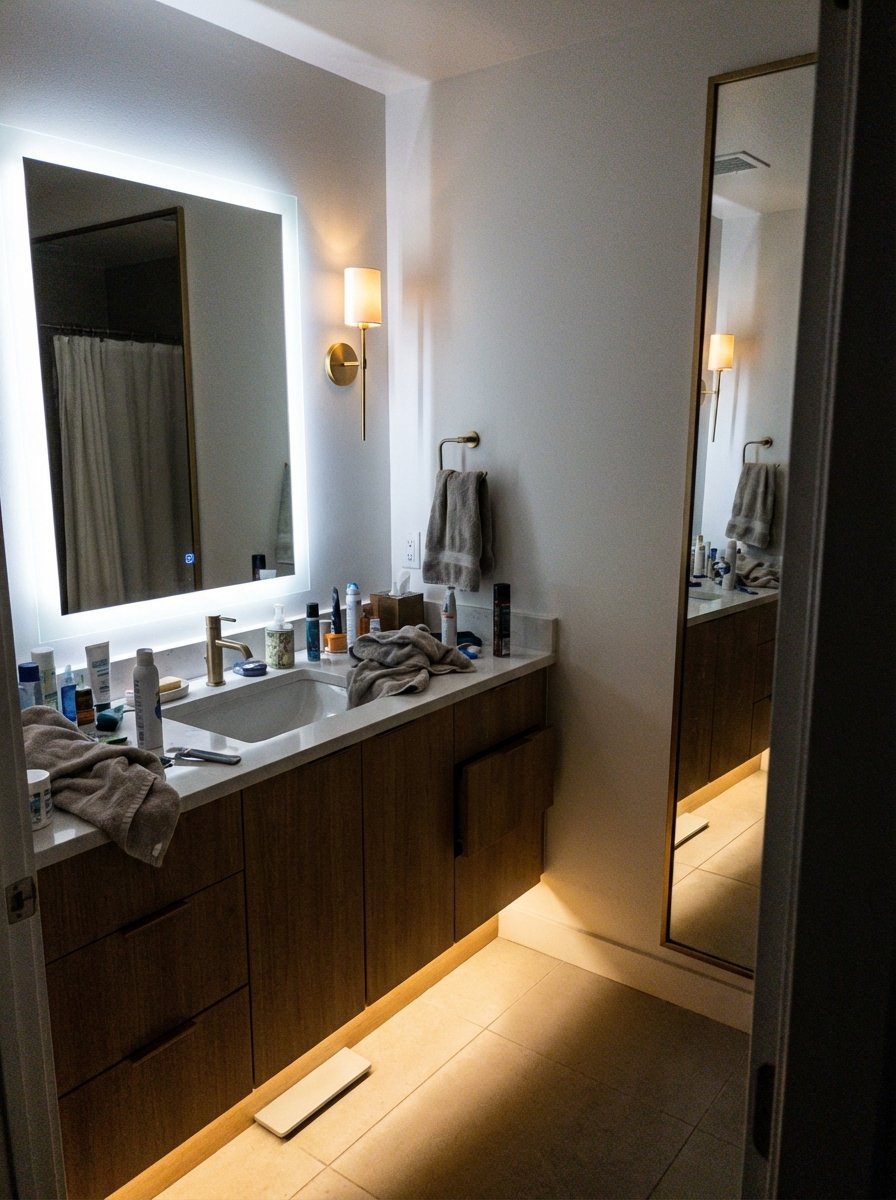
Lighting is the single most underestimated design element in bathroom aesthetics, yet it controls mood, functionality, and perceived spaciousness. Replace outdated overhead fixtures with layered lighting: combine bright task lighting around mirrors (ideal for grooming precision) with ambient ceiling fixtures and accent lighting (LED strips beneath vanities or behind mirrors create a floating effect). Dimmer switches allow you to transition from energizing morning brightness to calming evening glow. Natural light should be maximized—consider frosted glass windows or skylights for privacy without sacrificing daylight.
Color temperature matters profoundly. Opt for 3000K-4000K bulbs near mirrors to render skin tones accurately, avoiding the harsh blue cast of institutional spaces or the yellow muddiness of vintage incandescent. Backlit mirrors and vanity sconces positioned at eye level eliminate shadows on faces. Smart lighting systems let you program scenes: a “wake-up” sequence that gradually brightens, or a “spa” mode with warm, low-intensity light paired with a bath. This multi-dimensional approach transforms a utilitarian box into a dynamic, mood-responsive environment.
Introduce Sophisticated Color Palettes
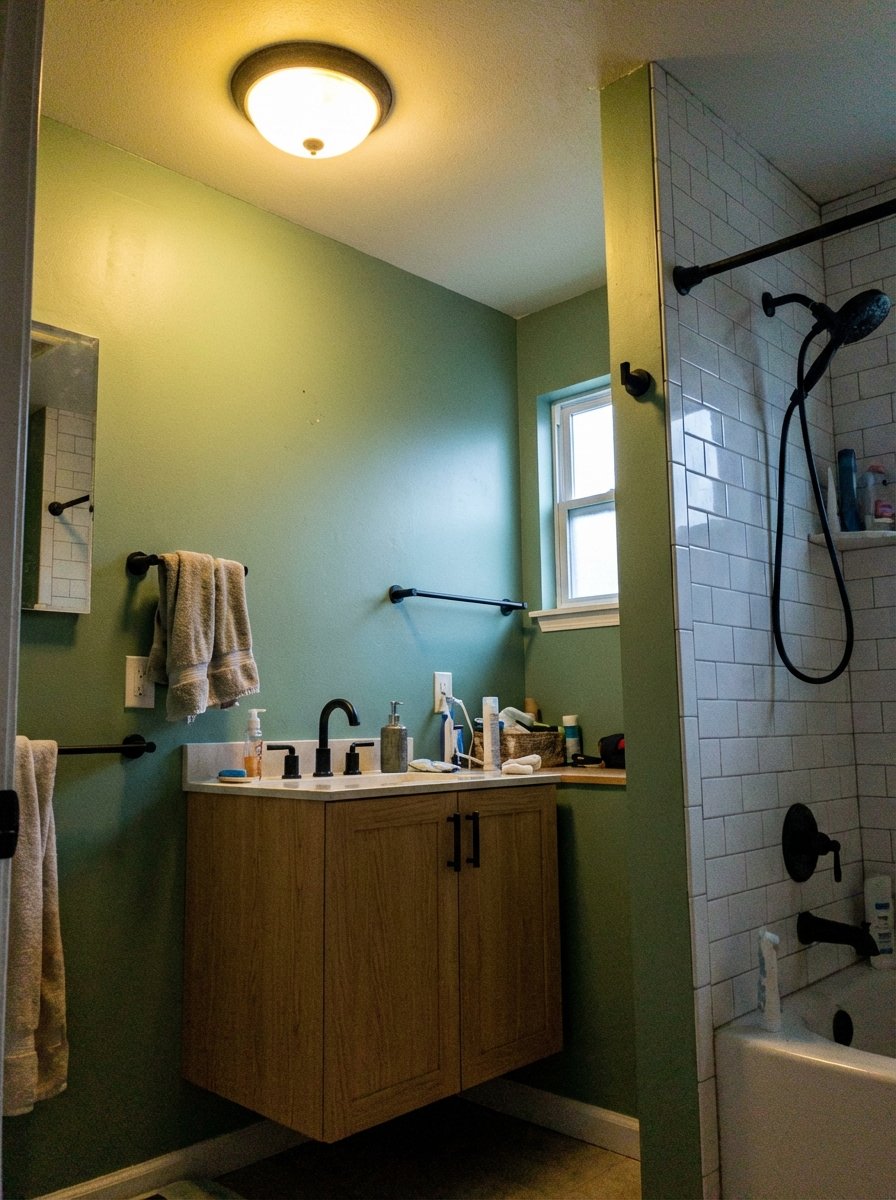
Color psychology directly impacts how a bathroom feels—cool blues evoke serenity, warm terracottas suggest earthiness, and monochromatic blacks convey luxury. Move beyond builder-grade beige by selecting a cohesive palette: pair soft sage walls with matte brass fixtures and natural oak accents, or embrace drama with charcoal tiles contrasted by crisp white subway backsplashes. Test paint samples in different lights (morning vs. evening) before committing, as bathroom humidity and lighting drastically alter perception.
Accent walls—using geometric tiles, textured wallpaper, or a bold paint hue—add depth without overwhelming compact spaces. Consider the 60-30-10 rule: 60% dominant color (walls/floors), 30% secondary (vanity, textiles), 10% accent (hardware, decor). High-gloss finishes reflect light and expand visual space, while matte surfaces absorb light for intimacy. Don’t fear dark colors in small bathrooms; when executed with ample lighting and reflective surfaces, they create cocoon-like sophistication rather than claustrophobia.
Curate a Signature Black and Gold Collection
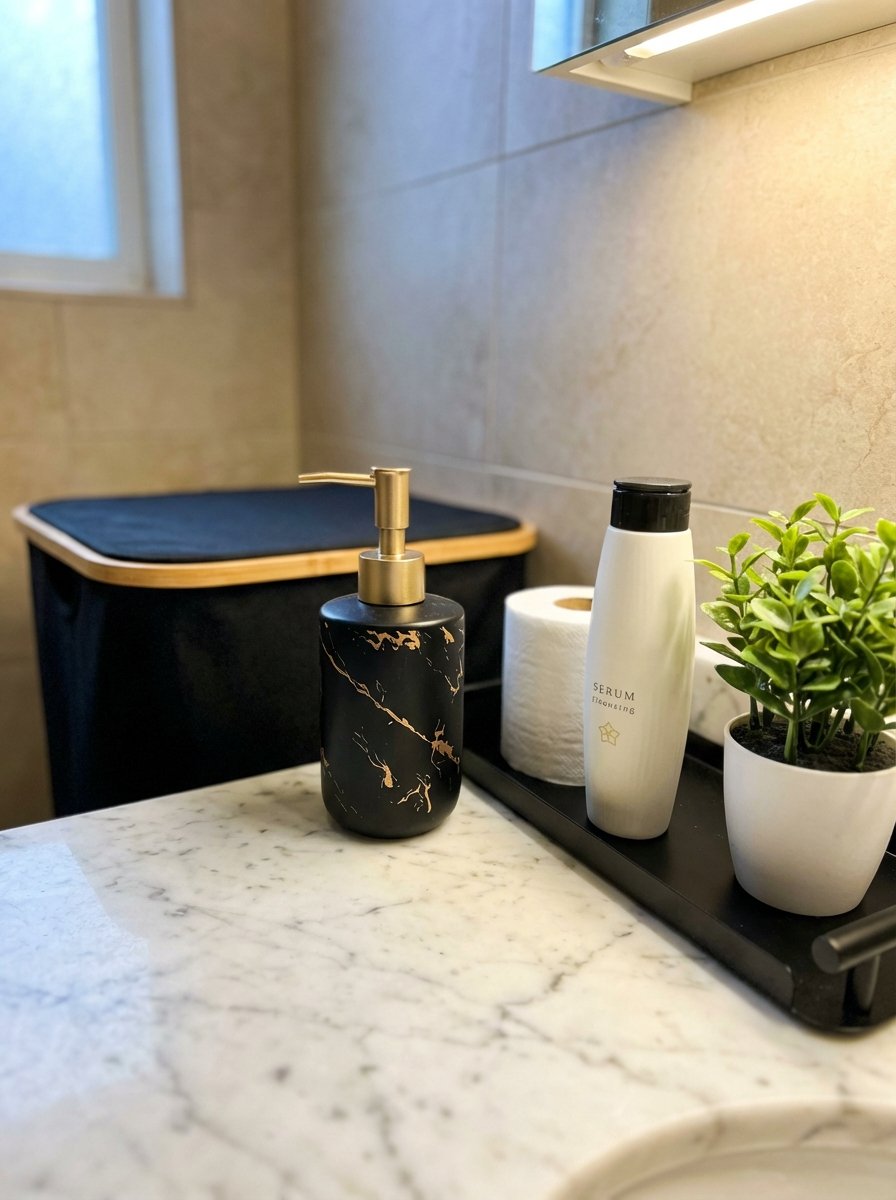
Elegance lives in the details, and a curated accessory collection creates visual cohesion that elevates everyday rituals. The black-and-gold aesthetic—timeless, bold, and universally flattering—works across design styles from Art Deco to Scandinavian minimalism. I’m featuring three exceptional pieces that exemplify this sophisticated pairing: a matte black fabric laundry hamper with a natural bamboo rim (combining soft textile texture with structured wood), a black marble-effect soap dispenser with gold veining and a brushed gold pump (merging geological drama with metallic warmth), and a matte black metal bathroom shelf supporting crisp white essentials and a vibrant green plant (demonstrating the power of contrast).
These items aren’t just functional—they’re sculptural statements. The laundry hamper’s rounded edges and dual-material construction soften angular bathroom lines while concealing clutter. The soap dispenser’s faux-marble finish mimics luxury stone at a fraction of the cost, its gold veins catching light like natural ore deposits. The black metal shelf system provides vertical storage without visual heaviness, its slim profile perfect for toiletries, rolled towels, or living greenery. Together, they demonstrate how coordinated finishes (matte black) and strategic metallic accents (bamboo, gold) create a designer-approved look. Position these pieces within arm’s reach of the vanity or bathtub to merge beauty with daily convenience.
Install Statement-Making Fixtures
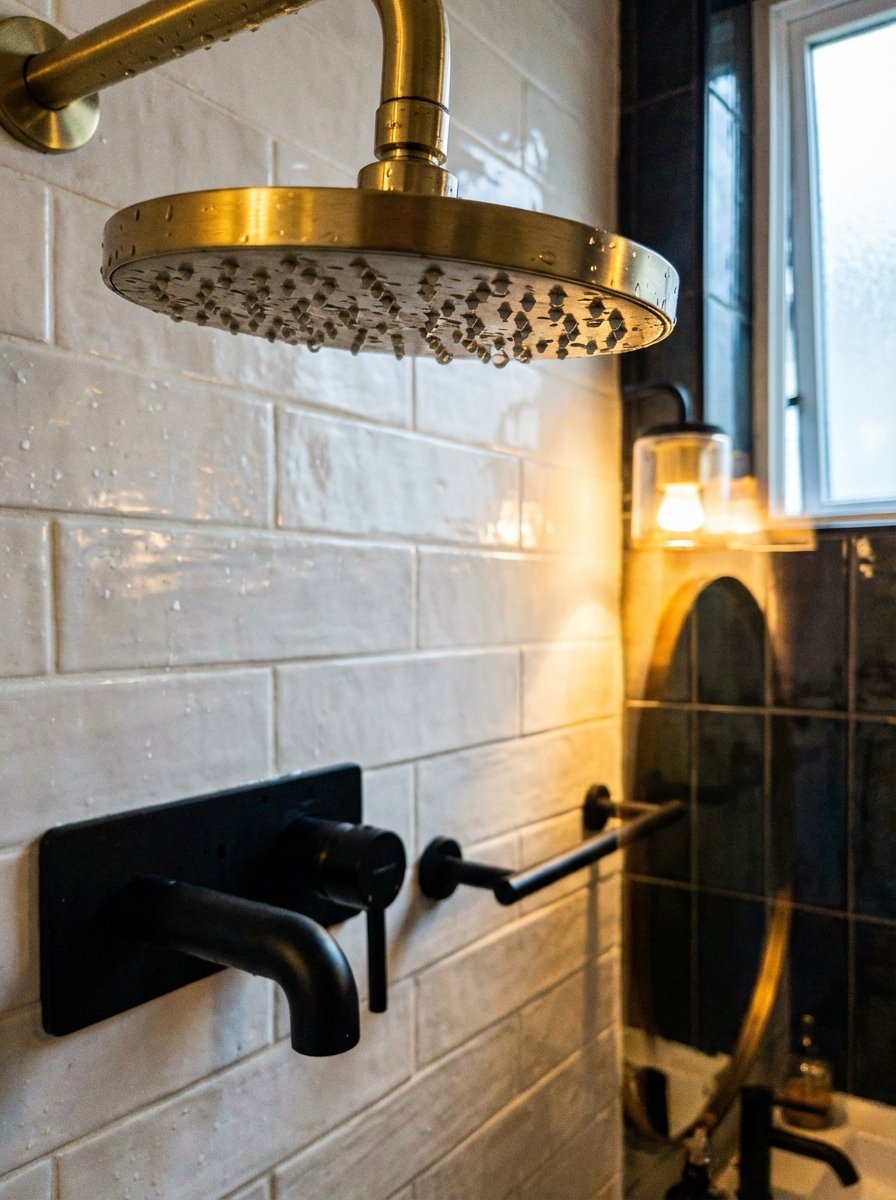
Fixtures are the jewelry of bathroom design—faucets, showerheads, towel bars, and cabinet hardware disproportionately influence perceived quality. Swap chrome builder-grade fixtures for distinctive finishes: brushed gold, matte black, oil-rubbed bronze, or polished nickel. A rainfall showerhead or waterfall tub filler instantly signals luxury, while wall-mounted faucets free up counter space and create a floating vanity effect. Ensure all fixtures share a consistent finish; mixing metals requires intentional balance (e.g., black faucets with gold accents, tied together through mirror frames or lighting).
Consider the ergonomics and geometry of fixtures—lever handles are easier to operate with soapy hands than knobs, and single-handle faucets offer temperature control precision. Touchless or motion-activated faucets reduce germ transmission and water waste, merging technology with hygiene. Exposed plumbing fixtures (like industrial-style pipe shelving or vintage-style exposed shower valves) add character in loft-inspired designs. Don’t overlook cabinet hardware: replacing plastic knobs with substantial metal pulls or leather-wrapped handles instantly upgrades cabinetry perceived value.
Maximize Storage With Intentional Design
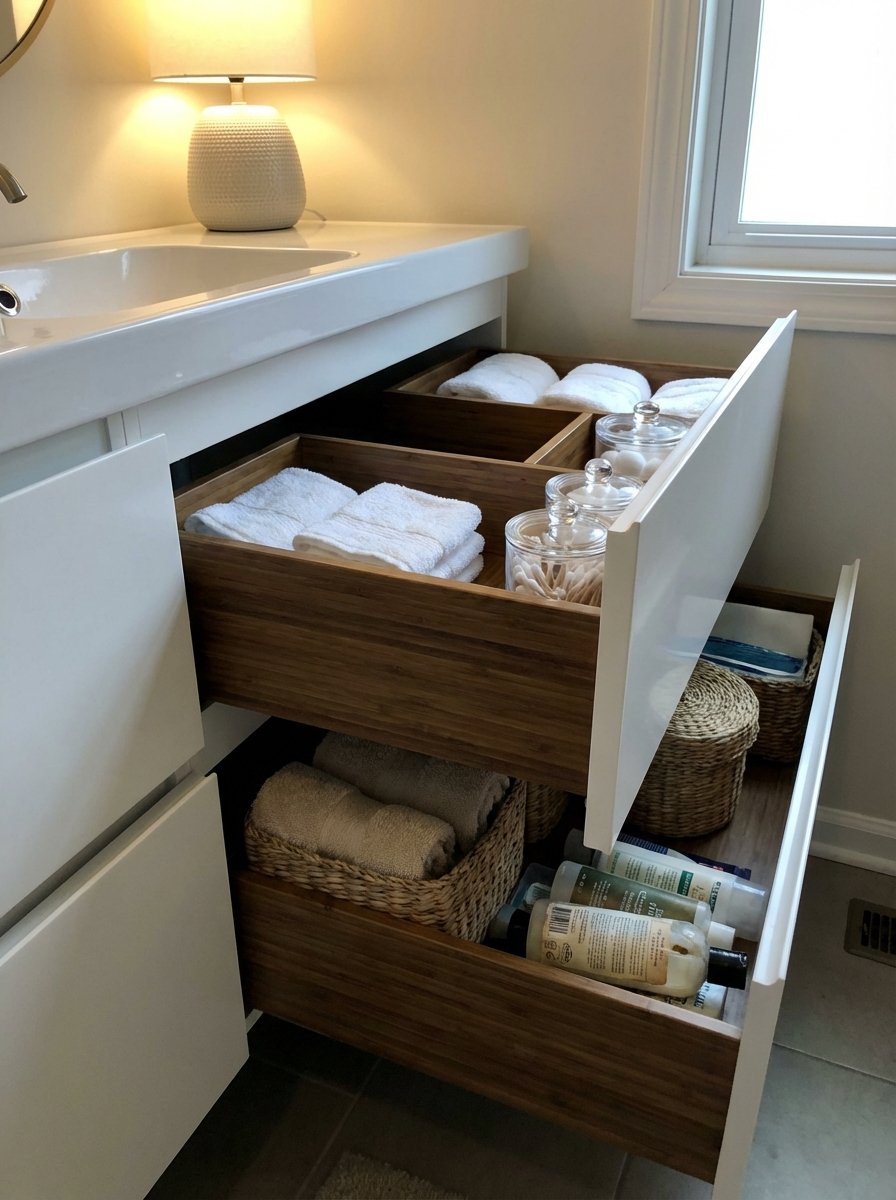
Clutter is the enemy of attractiveness—visible toothpaste tubes, tangled cords, and product chaos undermine even the most expensive tile work. Implement storage solutions that hide necessities while displaying curated items. Floating vanities with soft-close drawers (organizers for makeup, hair tools, skincare) keep counters clear. Recessed medicine cabinets with mirrored fronts serve dual purposes without protruding into space. Over-toilet shelving units or ladder shelves utilize vertical real estate for folded towels and decorative objects.
Use matching containers (glass jars, woven baskets, ceramic canisters) to corral cotton balls, bath salts, and razors—uniformity creates visual calm. Install hooks instead of towel bars where space is tight; multi-hook systems behind doors hold robes and clothing. Drawer dividers prevent the junk-drawer effect, while pull-out hampers inside vanities keep laundry hidden until wash day. The goal is a “hotel bathroom” aesthetic where only intentionally displayed items remain visible—a single luxury hand soap, a vase with fresh eucalyptus, a neatly stacked tower of premium towels.
Incorporate Natural Elements
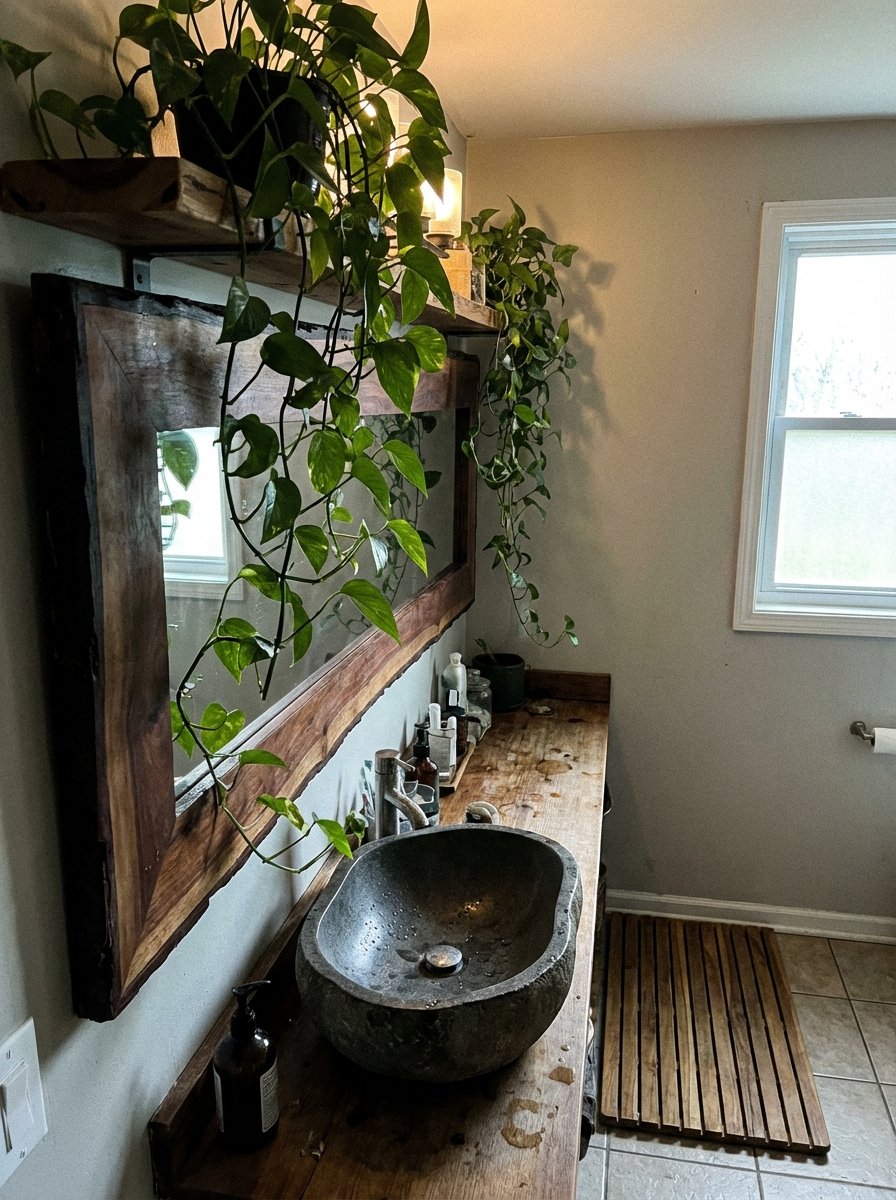
Biophilic design—integrating nature into built environments—reduces stress and enhances well-being, making bathrooms feel like restorative retreats. Introduce live plants that thrive in humidity: pothos cascade from shelves, snake plants tolerate low light, ferns add lushness, and succulents cluster on windowsills. Natural materials ground synthetic spaces: a teak bath mat, bamboo accessories, stone vessel sinks, or a live-edge wood mirror frame.
Texture is paramount—pair smooth porcelain tiles with rough-hewn wood, or contrast cold marble with woven seagrass baskets. A single large-format image of a forest or ocean (in a moisture-resistant frame) creates a focal point that visually expands the space. Essential oil diffusers with eucalyptus, lavender, or citrus scents layer olfactory nature into the sensory experience. Natural light is the ultimate biophilic element; if privacy allows, replace opaque curtains with sheer linen or bamboo blinds that filter rather than block sunlight. These organic touches counterbalance hard surfaces and clinical fixtures, creating warmth and humanity.
Upgrade Textiles and Soft Goods
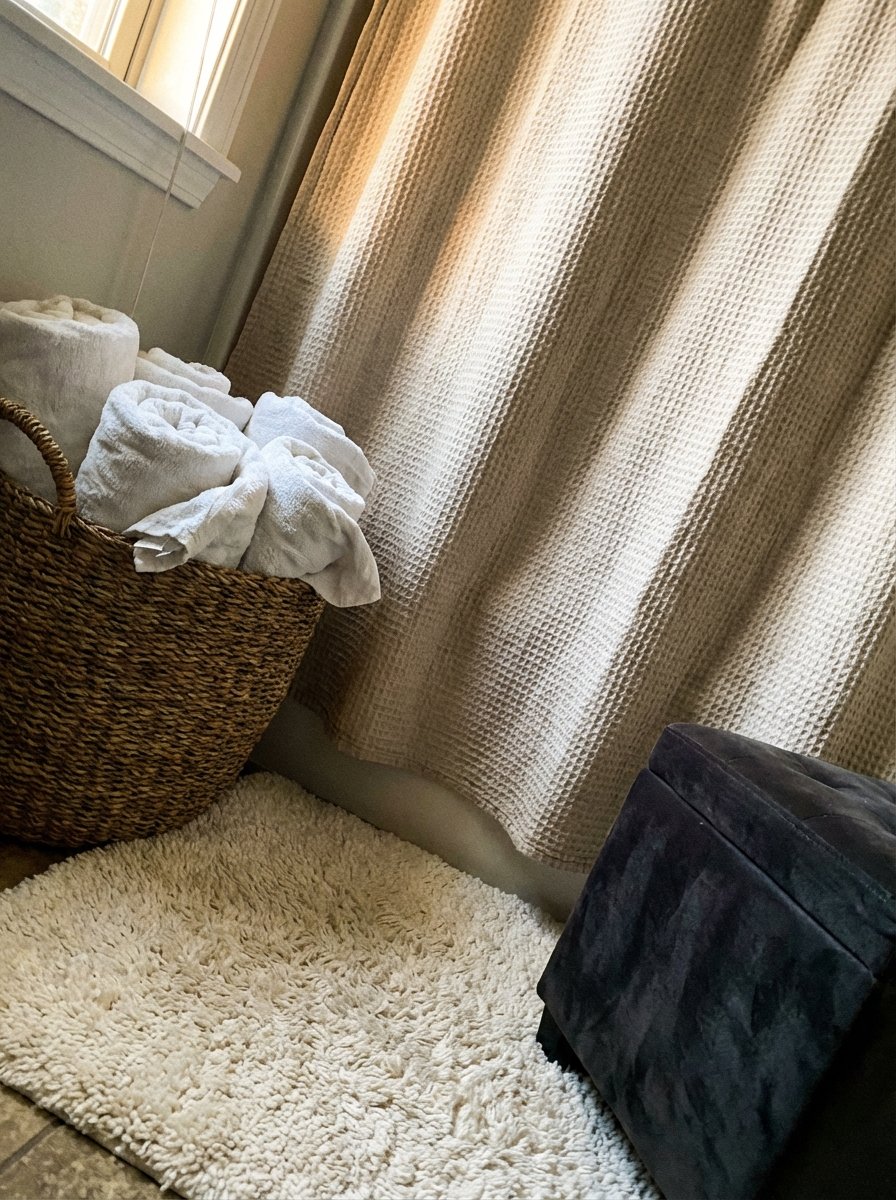
Textiles are the tactile backbone of bathroom luxury—what you feel matters as much as what you see. Invest in hotel-quality towels: 600+ GSM Egyptian or Turkish cotton in oversized bath sheets, with matching hand towels and washcloths in coordinating neutrals or accent colors. Display them rolled in baskets or stacked on open shelving for spa-inspired styling. Bath mats should be plush (memory foam or high-pile cotton) and quick-drying; swap them seasonally for visual variety.
Shower curtains are underestimated design opportunities—choose waffle weave, linen blends, or geometric patterns instead of generic plastic liners (or install glass enclosures for permanence). Window treatments should provide privacy while maximizing light: Roman shades in moisture-resistant fabric, plantation shutters, or frosted film. Add a small upholstered stool or ottoman in performance fabric (for seating while drying off or applying lotion), introducing softness into hard-surfaced spaces. Wash textiles weekly to maintain freshness; crisp, wrinkle-free linens signal attentiveness that elevates the entire space.
Focus on Mirrors and Reflective Surfaces
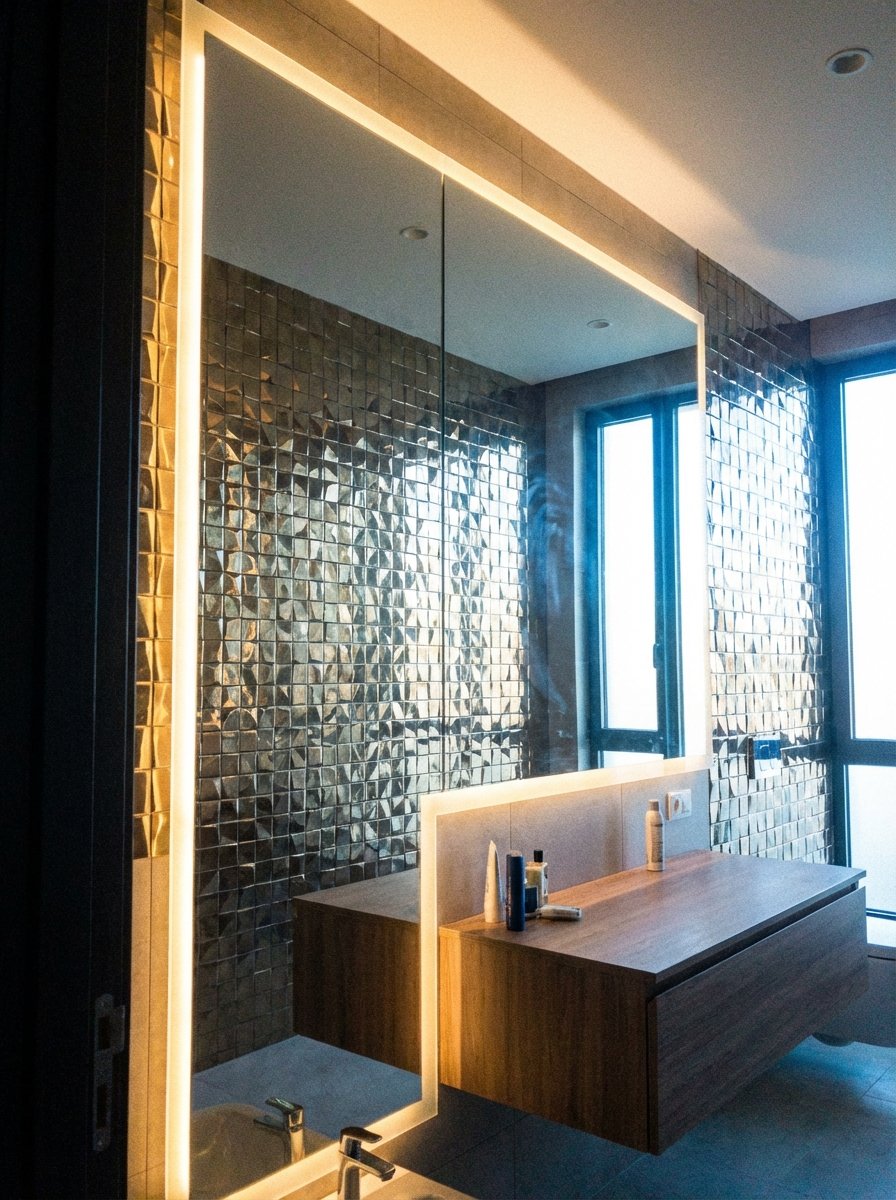
Mirrors are spatial magicians—they double perceived size, amplify light, and serve as statement art. Oversized mirrors (extending from vanity to ceiling) create drama and functionality. Frame styles communicate design intent: ornate gilt frames for traditional elegance, sleek metal bands for modern minimalism, wood frames for warmth. Asymmetrical or geometric mirrors (hexagonal, arched, round) break the tyranny of rectangles and add architectural interest.
Backlit or edge-lit LED mirrors provide shadow-free illumination while adding futuristic sophistication. Consider mirrored backsplashes, mirrored cabinet doors, or mirrored trays on counters—reflective surfaces bounce light throughout the room. Metallic tiles (in shower niches or as accent strips) create similar effects without literal mirrors. Clean mirrors weekly with ammonia-free cleaner to prevent streaking and water spots; a perpetually spotless mirror signals maintenance excellence. Positioning mirrors opposite windows maximizes natural light reflection, while angling them toward attractive features (a chandelier, a feature wall) creates intentional visual flow.
Elevate With Architectural Details
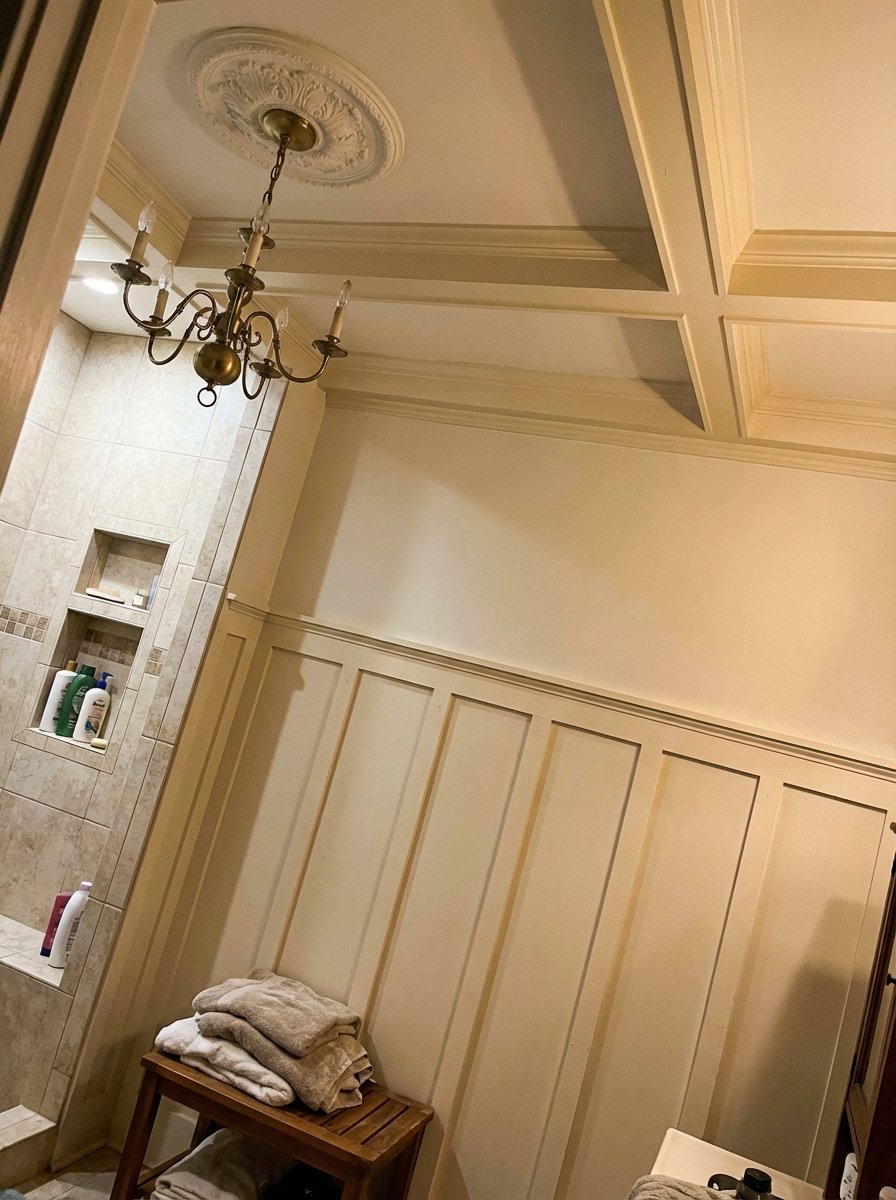
Architectural interventions transform generic boxes into custom spaces. Crown molding, wainscoting, or board-and-batten wall treatments add vertical dimension and traditional charm. Coffered ceilings or ceiling medallions (around light fixtures) draw the eye upward, making low ceilings feel taller. Niches—recessed shelving in showers for products or above toilets for decor—provide function without visual clutter.
Consider material contrasts: pair painted walls with exposed brick, wallpaper with subway tile, or shiplap with marble. Heated floors (radiant heating systems beneath tile) add invisible luxury that’s felt rather than seen. Glass block windows or interior windows (into adjacent rooms) introduce light while maintaining privacy. Arched doorways or barn-style sliding doors replace standard swinging doors, solving space constraints with style. Even small touches—decorative corner shelves, picture rail molding, or a statement ceiling color—signal design intentionality that separates thoughtful curation from accidental assembly.
Accessorize With Purpose
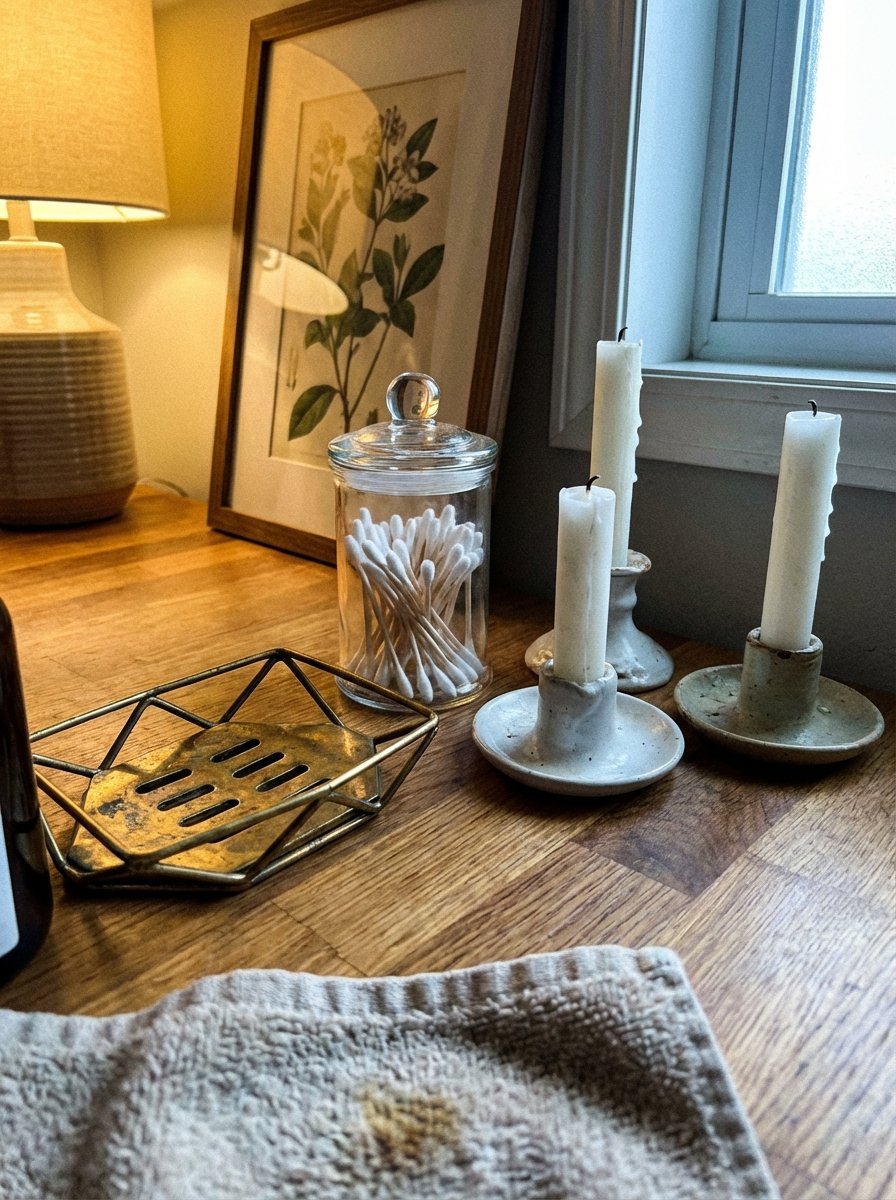
Accessories are the punctuation marks of bathroom design—they complete the narrative without overwhelming the story. Select pieces that balance form and function: a sculptural soap dish, a vintage apothecary jar for cotton swabs, a brass tray organizing perfumes. Art belongs in bathrooms—moisture-resistant prints (abstract geometrics, botanical illustrations, black-and-white photography) in floating frames add personality. Candles (in matching containers) provide ambient light and scent; group in odd numbers for visual balance.
Seasonal rotations keep the space fresh: summer’s bright florals and seashell accents give way to autumn’s warm metallics and cinnamon-scented candles. A single fresh floral arrangement (orchids for longevity, tulips for drama, eucalyptus for texture) introduces life without maintenance demands. Books (design tomes, poetry collections) on a small shelf or stool suggest the bathroom as leisure space, not just utility. Limit accessories to prevent visual chaos—the rule of three (group items in triads) creates cohesion. Each item should earn its place through beauty, utility, or emotional resonance; ruthlessly edit anything that doesn’t enhance the room’s intention.
Conclusion
Attractive bathrooms emerge from the intersection of strategic design, material quality, and personal curation—not budget size or square footage. By upgrading lighting, introducing cohesive color palettes, showcasing signature accessories like the black-and-gold collection, installing statement fixtures, maximizing storage, incorporating natural elements, elevating textiles, leveraging mirrors, adding architectural details, and accessorizing purposefully, you transform a purely functional space into a daily luxury. Each element compounds the others: clean storage makes colors pop, good lighting reveals texture, natural elements soften hard finishes. Start with one high-impact change (lighting or paint), then layer in details as budget and time allow. The bathroom you deserve isn’t a distant fantasy—it’s a series of intentional choices away. Your morning routine, evening unwind, and every moment in between will thank you for creating a space that’s as beautiful as it is functional.
